

As an AC load switch supplier, I often get asked about the power consumption of these devices. It's a pretty important topic, especially for those looking to manage their energy use efficiently. So, let's dive into it and explore what the power consumption of an AC load switch really is.
Understanding AC Load Switches
First off, what exactly is an Ac Load Switch? Simply put, it's a device used to control the flow of alternating current (AC) in an electrical circuit. They're pretty common in various applications, from small household appliances to large industrial systems. These switches can connect or disconnect the load from the power source, protecting the circuit from over - current and short - circuits.
There are different types of AC load switches, such as High Voltage Load Switch, High Voltage Load Break Switch, Power Load Switch, and Medium Voltage Load Break Switch. Each type has its own characteristics and power consumption levels.
Factors Affecting Power Consumption
The power consumption of an AC load switch isn't a fixed number. It can vary based on several factors.
1. Switch Type
Different types of AC load switches have different power consumption rates. For example, high - voltage load switches usually consume more power compared to low - voltage ones. This is because they are designed to handle higher voltages and currents, which require more energy for their internal operations. The High Voltage Load Switch has to deal with large electrical stresses, and as a result, its components need more power to function properly.
2. Operating State
The power consumption of an AC load switch also depends on its operating state. When the switch is in the 'on' state, it allows the current to flow through the circuit. During this time, there will be some power loss due to the resistance of the conducting elements inside the switch. This power loss is usually calculated using the formula (P = I^{2}R), where (P) is power loss, (I) is the current flowing through the switch, and (R) is the resistance of the conducting elements.
When the switch is in the 'off' state, it should theoretically consume zero power. However, in reality, modern AC load switches have some standby power consumption. This is because there are internal control circuits and sensors that need a small amount of power to stay operational. For example, the control circuit may be waiting for a signal to turn the switch on or to monitor the status of the circuit.
3. Load Characteristics
The characteristics of the connected load also play a role in the power consumption of the AC load switch. If the load has a high inrush current (the initial current when the load is turned on), the switch may have to handle a large current spike. This can increase the power consumption during the startup phase. Additionally, non - linear loads, such as those with electronic components that draw current in a non - sinusoidal way, can cause additional power losses in the switch due to harmonics.
Measuring Power Consumption
To measure the power consumption of an AC load switch, you can use a power meter. A power meter is a device that can measure the electrical power (in watts) consumed by a device. You can connect the power meter between the power source and the switch to get an accurate reading of the power consumption.
When measuring, it's important to test the switch in different operating states. Measure the power consumption when the switch is in the 'on' state with the load connected and operating under normal conditions. Also, measure the standby power consumption when the switch is in the 'off' state. By doing this, you can get a comprehensive understanding of the switch's power consumption.
Why Power Consumption Matters
In today's world, energy efficiency is a big deal. Lower power consumption in an AC load switch means less energy waste. This can lead to cost savings for consumers and businesses. For large industrial applications, where multiple switches are used, the cumulative power savings can be significant over time.
Moreover, reducing power consumption is also good for the environment. By using less energy, we can reduce our carbon footprint and contribute to a more sustainable future.
Our Company's Offerings
As an AC load switch supplier, we offer a wide range of switches with different power consumption levels. We understand that different customers have different needs, whether they are looking for a high - voltage switch for an industrial application or a low - power switch for a small household device.
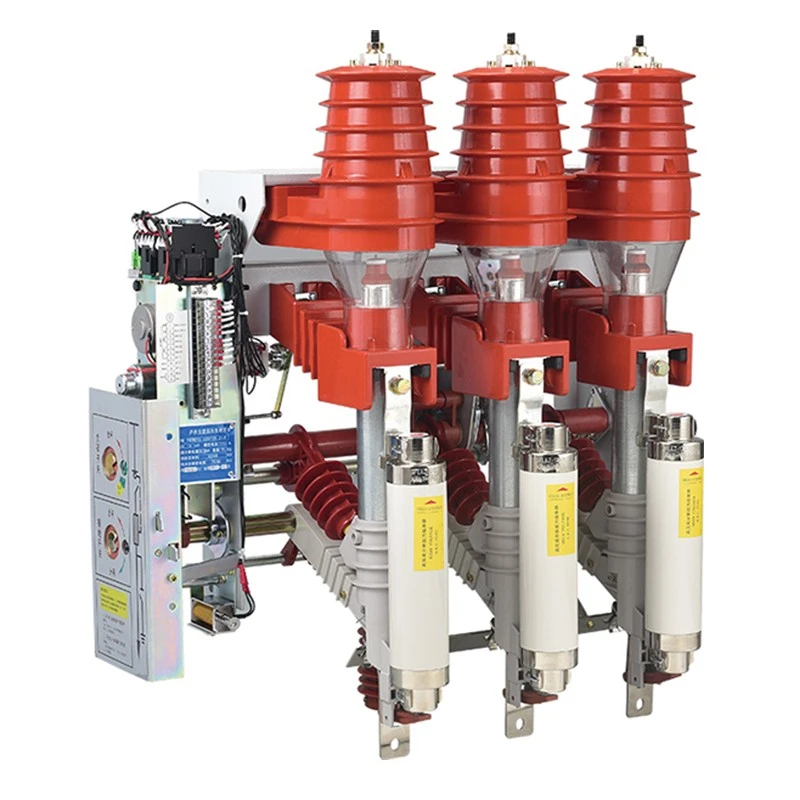
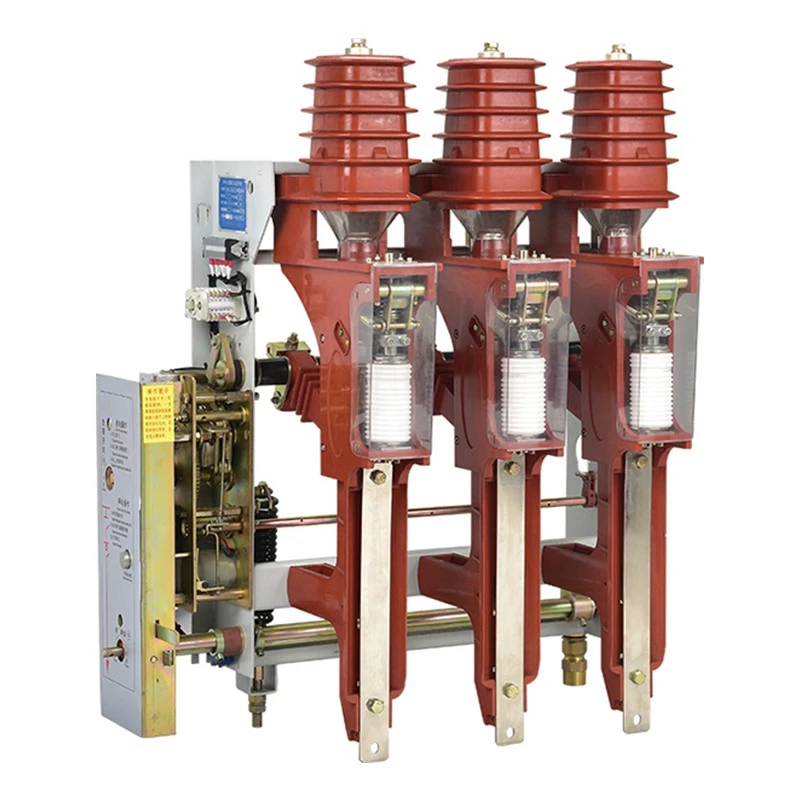
Our products are designed to be energy - efficient. We use advanced technologies and high - quality materials in the manufacturing process to minimize power losses. Our engineers are constantly working on improving the design of our switches to reduce their power consumption while maintaining high performance and reliability.
If you're in the market for an AC load switch and want to know more about the power consumption of our products or discuss your specific requirements, we're here to help. You can get in touch with us for a detailed consultation and to start the procurement process. We're more than happy to answer any questions you might have and guide you through the selection of the right switch for your needs.
References
- Some basic electrical engineering textbooks on power systems and electrical devices.
- Industry reports on energy - efficient electrical equipment.