

Hey there! As a high-voltage circuit breaker supplier, I often get asked about the rated current of these crucial electrical devices. So, let's dig into what the rated current of a high-voltage circuit breaker really means.
First off, what's a high-voltage circuit breaker? It's a key component in electrical power systems. Its main job is to interrupt the flow of electrical current when there's a fault, like a short - circuit or an overload. This helps protect the power system and all the connected equipment from damage.
Now, onto the rated current. The rated current of a high - voltage circuit breaker is the maximum continuous current that the breaker can carry under normal operating conditions without exceeding its temperature limits. Think of it as the "safe" amount of current that the breaker can handle day in and day out.
Why is the rated current so important? Well, if you operate a circuit breaker above its rated current for an extended period, the breaker will heat up. Overheating can cause all sorts of problems. It can damage the internal components of the breaker, like the contacts and insulation. This, in turn, can reduce the breaker's lifespan and even lead to a complete failure. And when a high - voltage circuit breaker fails, it can disrupt the power supply, cause costly downtime, and in some cases, even pose safety risks.
The rated current of a high - voltage circuit breaker is influenced by several factors. One of the main ones is the design and construction of the breaker. For example, the size and material of the contacts play a big role. Larger contacts made from good conductive materials can handle higher currents. Also, the cooling system of the breaker matters. Some breakers use natural air cooling, while others may have forced - air or liquid - cooling systems. A better cooling system allows the breaker to dissipate heat more effectively, which means it can handle a higher rated current.
Another factor is the ambient temperature. The hotter the surrounding environment, the less current the breaker can carry. That's because the breaker already has to deal with a higher base temperature, so it has less capacity to handle the heat generated by the electrical current flowing through it.
Let's talk about how the rated current is specified. High - voltage circuit breakers come with different rated current values, which are usually expressed in amperes (A). These values are standardized according to international and national standards. The choice of the rated current for a particular application depends on the requirements of the power system. For instance, in a small distribution network, a breaker with a relatively low rated current might be sufficient. But in a large industrial plant or a high - voltage transmission system, you'll need a breaker with a much higher rated current.
At our company, we offer a wide range of high - voltage circuit breakers with different rated currents to meet various customer needs. We have Outdoor High Voltage Vacuum Circuit Breaker, which are great for outdoor applications. Vacuum circuit breakers are known for their excellent interruption performance and long service life. They can handle a decent range of rated currents, depending on the specific model.
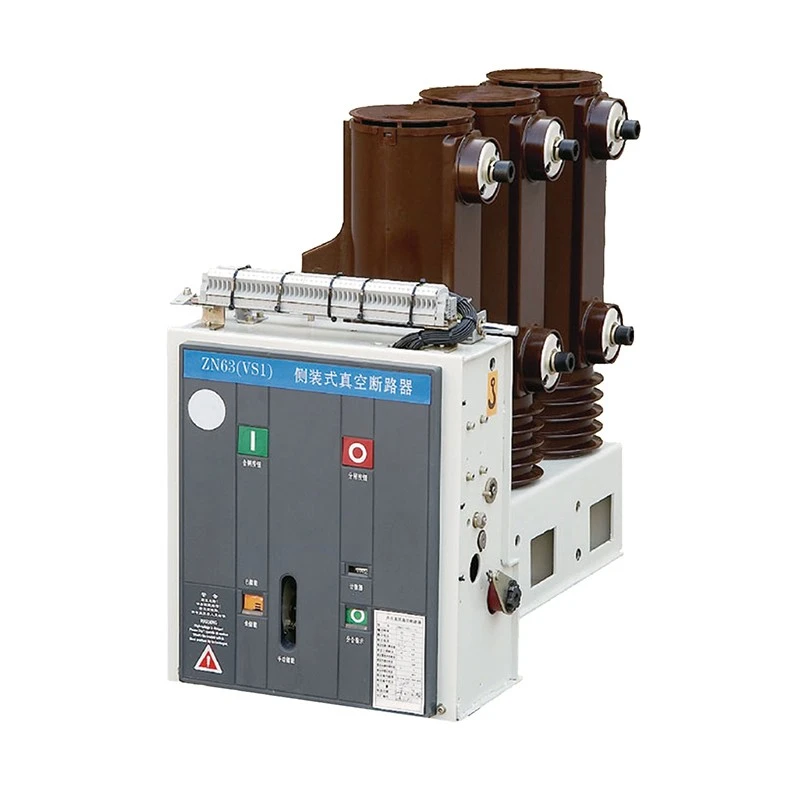
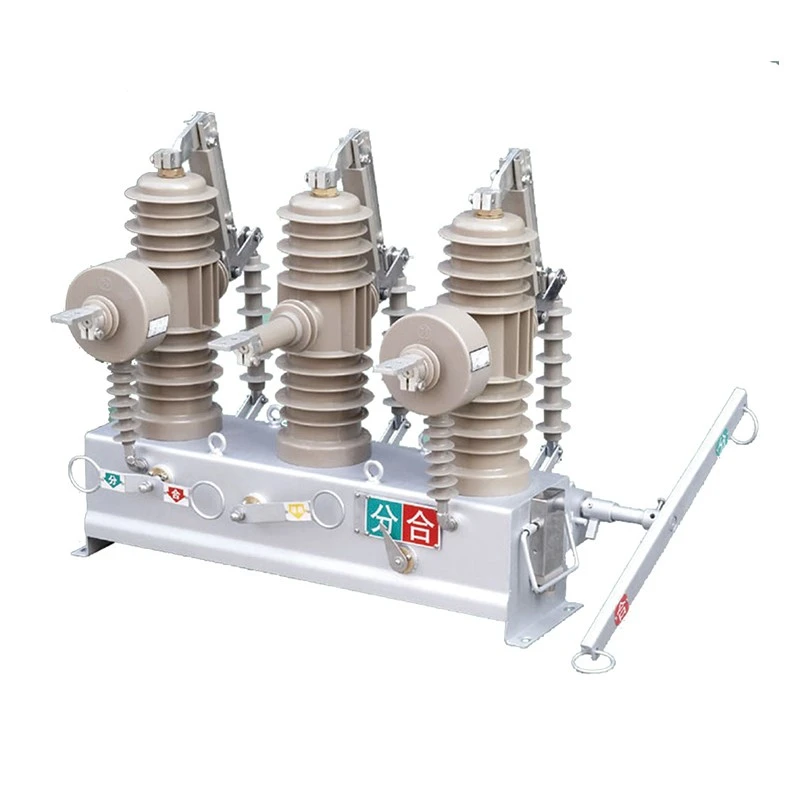
Then there are our Outdoor SF6 Circuit Breaker. SF6 (sulfur hexafluoride) is an excellent insulating and arc - quenching gas. These breakers can handle high short - circuit currents and are often used in high - voltage transmission and distribution systems where high - current-carrying capacity is required.
If you're looking for something for indoor use, we have Indoor High Voltage Vacuum Circuit Breaker. They are compact and reliable, suitable for various indoor electrical installations.
We also provide High Voltage Ac Circuit Breakers for alternating current systems. These breakers are designed to handle the specific characteristics of AC power, like the periodic reversal of current. And for direct current applications, we have High Voltage Dc Breaker. DC breakers face different challenges compared to AC breakers, mainly because there's no natural zero - crossing of the current to help with arc interruption.
Selecting the right rated current for your high - voltage circuit breaker is a crucial decision. You need to consider the load requirements of your power system, the type of loads (linear or non - linear), and any future expansion plans. If you choose a breaker with a rated current that's too low, it will keep tripping under normal operating conditions. On the other hand, if you go for a breaker with a much higher rated current than necessary, you're not using your resources efficiently, and you may end up spending more on equipment than you need to.
That's where we come in. Our team of experts can help you analyze your power system requirements and select the high - voltage circuit breaker with the right rated current for your application. We have years of experience in the industry, and we know how to balance performance, reliability, and cost.
If you're in the process of planning a new electrical installation, upgrading your existing power system, or just want to learn more about high - voltage circuit breakers and their rated currents, don't hesitate to reach out. We're here to assist you with all your high - voltage circuit breaker needs, from product selection to after - sales support.
In conclusion, understanding the rated current of a high - voltage circuit breaker is essential for the reliable and efficient operation of your electrical power system. By making the right choice of rated current and partnering with a trusted supplier, you can ensure the safety and stability of your power supply.
References
- Electrical Power System Handbook by P. H. Allen
- High - Voltage Engineering: Theory and Practice by M. S. Naidu and V. Kamaraju