

In the realm of electrical power systems, power load switches play a pivotal role in ensuring the safe and efficient distribution of electricity. These devices are designed to control the flow of electrical current and protect the system from various faults. One crucial aspect of power load switches is their self - recovery ability after a fault. As a power load switch supplier, understanding and communicating this feature is of utmost importance.
Understanding Power Load Switches
Power load switches are electrical components used to make and break electrical circuits under normal operating conditions. They are commonly employed in distribution networks, industrial plants, and commercial buildings. There are different types of power load switches, including High Voltage Load Break Switch, High Current Load Switch, Dc Load Switch, Ac Load Switch, and High Voltage Load Switch. Each type is tailored to specific voltage, current, and application requirements.
The Concept of Self - Recovery Ability
The self - recovery ability of a power load switch refers to its capacity to automatically restore normal operation after a fault has occurred and been cleared. When a fault takes place in an electrical circuit, such as a short - circuit or an overload, the load switch is supposed to detect the abnormal condition and interrupt the electrical current to prevent damage to the system. Once the fault is removed or mitigated, the load switch should be able to resume its normal operation without manual intervention.
This self - recovery feature is highly desirable in power systems for several reasons. Firstly, it enhances the reliability of the power supply. In a large - scale electrical network, any disruption in power delivery can cause significant economic losses in industries, inconvenience in residential areas, and even pose risks in critical applications such as hospitals and data centers. A power load switch with high self - recovery ability can quickly restore power, minimizing the downtime and its associated impacts.
Secondly, it improves the operational efficiency. Manual intervention to reset or repair a load switch after a fault can be time - consuming and requires skilled personnel. With self - recovery, the system can get back to work promptly, reducing the labor and time costs associated with troubleshooting and restoration.
Mechanisms of Self - Recovery in Power Load Switches
There are various mechanisms through which power load switches achieve self - recovery. One common approach is based on thermal protection. In this mechanism, the load switch contains a thermal element that responds to the heat generated by excessive current. When the current exceeds a certain threshold, the thermal element heats up, causing a bimetallic strip to bend. This bending action triggers the opening of the switch contacts, interrupting the current flow. Once the fault is cleared and the current returns to a normal level, the thermal element cools down, and the bimetallic strip returns to its original position, closing the contacts and restoring the circuit.
Another mechanism is based on magnetic protection. Magnetic load switches use a solenoid coil. When a large short - circuit current flows through the coil, it generates a strong magnetic field. This magnetic field actuates an armature, which in turn opens the switch contacts. After the short - circuit is removed, the magnetic field dissipates, and the contacts can be re - closed automatically, allowing the normal operation of the circuit to resume.
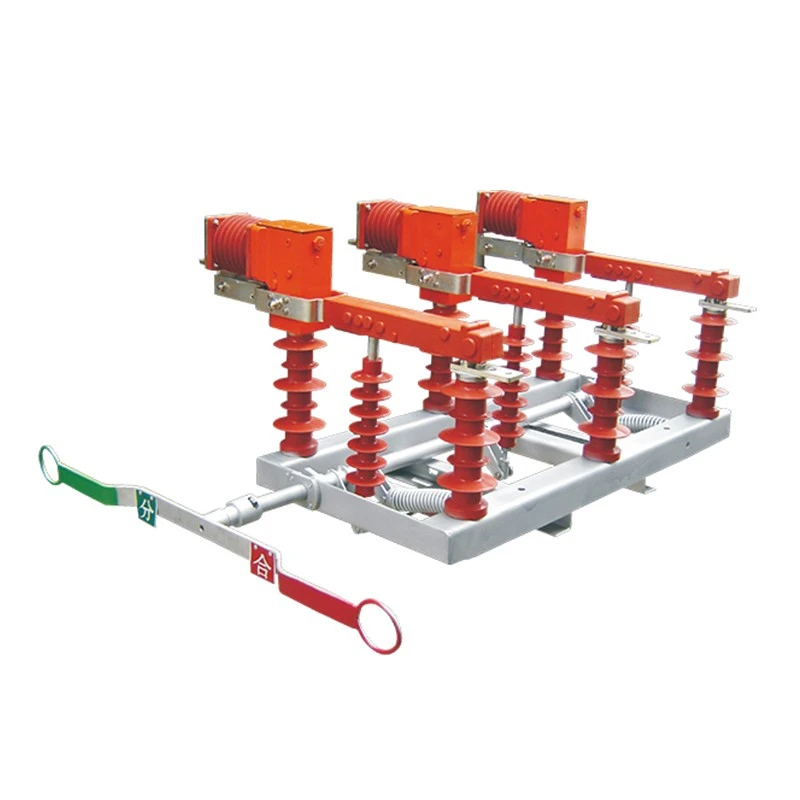
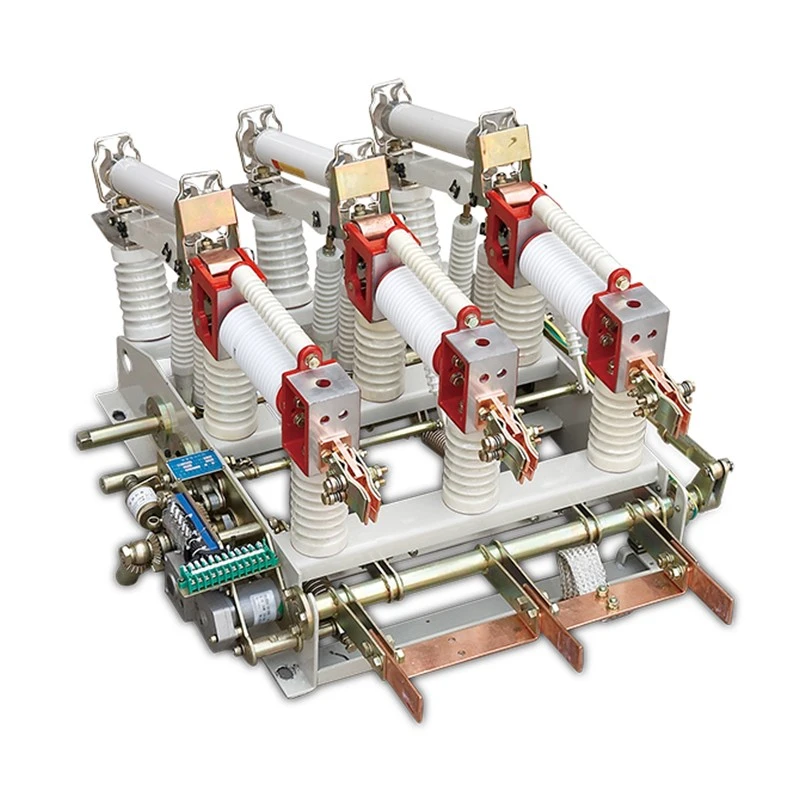
Some advanced power load switches also incorporate electronic protection circuits. These circuits can precisely detect different types of faults, such as over - voltage, under - voltage, and over - current. They use microcontrollers or other electronic components to analyze the electrical parameters in real - time. Once a fault is detected, the electronic circuit sends a signal to open the switch contacts. After the fault is resolved, the circuit can send another signal to close the contacts, enabling self - recovery.
Factors Affecting Self - Recovery Ability
Several factors can influence the self - recovery ability of power load switches. One of the most important factors is the type and severity of the fault. For example, a minor overload may be easily cleared, and the load switch can quickly recover. However, a severe short - circuit may cause damage to the switch contacts or other internal components, which can prevent self - recovery. In such cases, manual inspection and possible replacement of parts may be required.
The ambient temperature also plays a role. High ambient temperatures can affect the performance of the thermal protection mechanism in a load switch. If the temperature is already high, the thermal element may reach its tripping point more easily, and the cooling process may be slower, delaying the self - recovery process.
The quality and design of the load switch itself are crucial. A well - designed and high - quality load switch is more likely to have reliable self - recovery ability. It should be made of durable materials, and its internal components should be precisely calibrated to ensure accurate fault detection and timely recovery.
Importance of Self - Recovery Ability for Different Applications
In residential applications, power load switches with self - recovery ability can prevent power outages caused by minor faults. For example, if a short - circuit occurs in a household appliance, the load switch can quickly interrupt the current and then resume normal operation after the fault is fixed, ensuring the continuous supply of electricity to other appliances in the house.
In industrial settings, where machinery and production processes rely heavily on a stable power supply, the self - recovery ability of load switches is invaluable. A momentary power interruption can cause product defects, damage to equipment, and significant losses in production. Load switches with efficient self - recovery can minimize these risks and keep the production lines running smoothly.
In the power grid, self - recovery load switches can improve the overall stability and resilience. They can help to isolate and clear faults quickly, preventing the spread of faults to other parts of the network and reducing the impact on a large number of consumers.
Assessing the Self - Recovery Ability of Power Load Switches
As a power load switch supplier, we use a set of strict testing procedures to assess the self - recovery ability of our products. We subject the load switches to various types of faults in a controlled laboratory environment. For example, we simulate different levels of overloads and short - circuits and measure the time it takes for the switch to interrupt the current and then recover.
We also monitor the performance of the switches under different ambient conditions, such as high and low temperatures, humidity, and dust. By conducting these comprehensive tests, we can ensure that our power load switches meet the high standards of self - recovery ability required by our customers.
Conclusion
The self - recovery ability of power load switches is a critical feature that enhances the reliability, efficiency, and safety of electrical power systems. As a power load switch supplier, we are committed to providing high - quality products with excellent self - recovery performance. Our High Voltage Load Break Switch, High Current Load Switch, Dc Load Switch, Ac Load Switch, and High Voltage Load Switch are designed and tested to offer superior self - recovery capabilities.
If you are in need of power load switches for your electrical projects or applications, we invite you to contact us for a detailed discussion. Our team of experts will be more than happy to provide you with the best solutions tailored to your specific requirements. We look forward to the opportunity to work with you and contribute to the success of your power systems.
References
- Electrical Power Systems Engineering: Concepts and Applications by Turan Gonen
- Power System Protection and Switchgear by J. C. Das