
As an instrument transformer supplier, I often get asked about various technical aspects of these devices. One of the most common and crucial topics is the saturation phenomenon in instrument transformers. So, let's dive right in and break it down.
Understanding Instrument Transformers
First off, let's quickly go over what instrument transformers are. They're basically used to step down high voltages and currents to levels that can be safely measured and monitored. There are two main types: voltage transformers (VTs) and current transformers (CTs). VTs are used to measure voltage, while CTs are for measuring current.
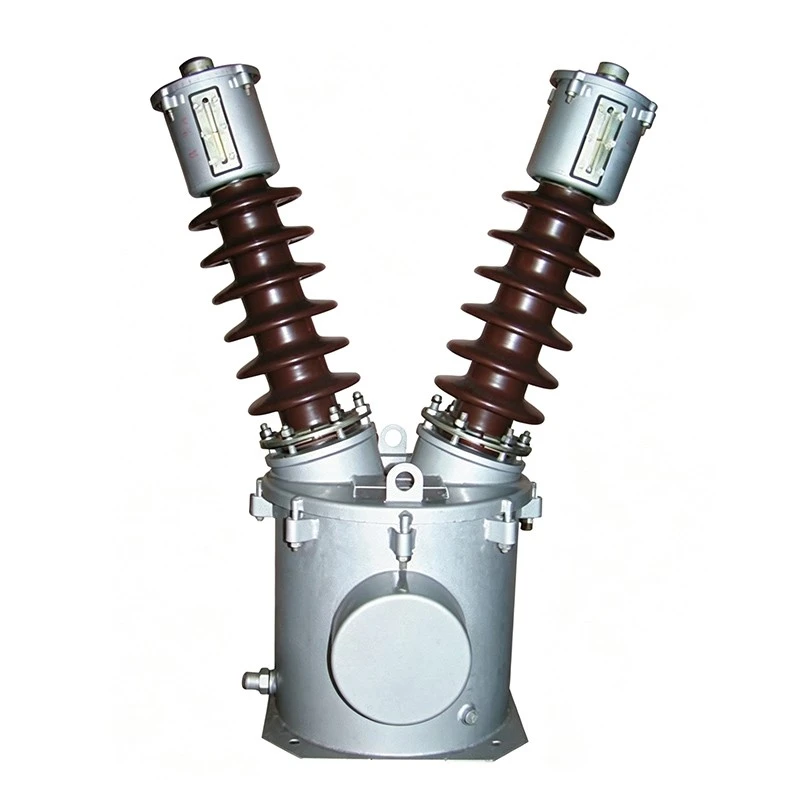
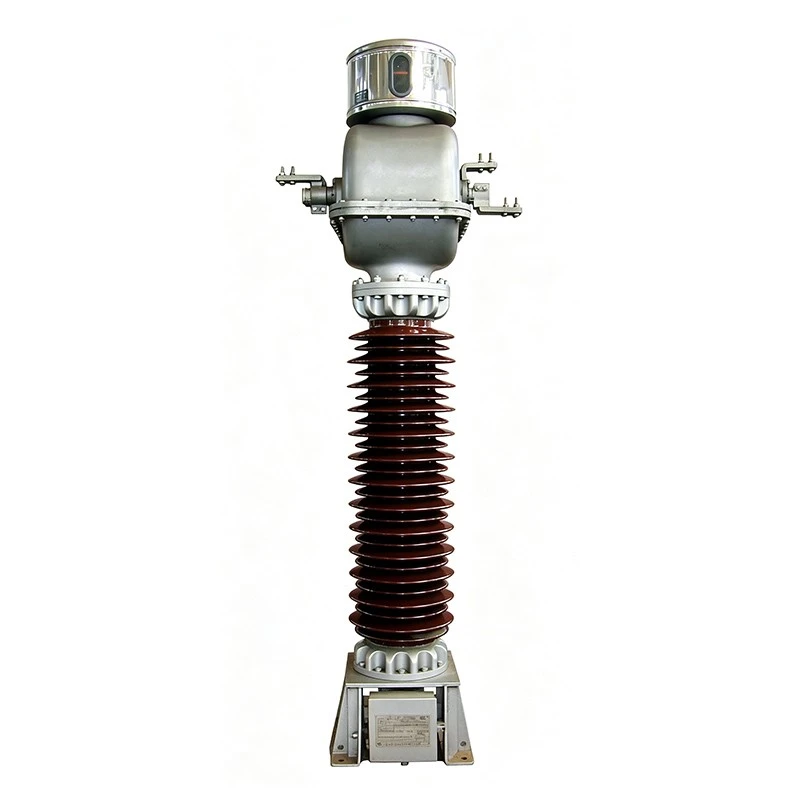
We offer a variety of instrument transformers, like the Oil Immersed Voltage Transformer, which uses oil as an insulating medium. It's great for high - voltage applications. Then there's the Dry Type Voltage Transformer, which is more suitable for indoor use and has a lower risk of fire. For current measurement, we have the Dry Type Current Transformer and Oil Immersed Current Transformer. And if you're looking for something with gas insulation, our SF6 Gas Insulated Voltage Transformer is a top - notch option.
What is Saturation in Instrument Transformers?
Saturation in an instrument transformer occurs when the magnetic core of the transformer can't handle any more magnetic flux. You see, the core of a transformer is made of a magnetic material, usually iron. When an alternating current or voltage is applied to the primary winding, it creates a magnetic field in the core.
Under normal operating conditions, the magnetic flux in the core is proportional to the current or voltage in the primary winding. But when the primary current or voltage gets too high, the magnetic core reaches a point where it can't be magnetized any further. This is called saturation.
Causes of Saturation
There are a few reasons why an instrument transformer might saturate. One of the most common causes is over - voltage. If the voltage applied to the primary winding of a voltage transformer is much higher than its rated voltage, the magnetic flux in the core will increase rapidly. Eventually, the core will saturate.
Another cause is a high - current fault. In a power system, a short - circuit or other fault can cause a huge surge in current. When this high current flows through the primary winding of a current transformer, it can easily saturate the core.
Harmonics in the power system can also lead to saturation. Harmonics are multiples of the fundamental frequency of the power supply. If there are a lot of harmonics in the current or voltage waveform, they can cause the magnetic flux in the core to change in a non - linear way, increasing the likelihood of saturation.
Effects of Saturation
When an instrument transformer saturates, it can have some serious consequences. First of all, the transformation ratio of the transformer will no longer be accurate. The output voltage or current will not be proportional to the input voltage or current as it should be. This can lead to incorrect measurements in metering and protection systems.
In a metering system, inaccurate measurements mean that the energy consumption calculations will be wrong. This can result in over - billing or under - billing of customers, which is a big deal.
In a protection system, saturation can cause relays to malfunction. Relays are used to detect faults in the power system and isolate the affected part. If the current or voltage measurements from the instrument transformer are inaccurate due to saturation, the relays might not operate when they should, or they might operate when there's no real fault. This can lead to system instability and even damage to the electrical equipment.
Detecting and Preventing Saturation
Detecting saturation in an instrument transformer can be a bit tricky. One way is to monitor the waveform of the output voltage or current. In a saturated transformer, the waveform will be distorted. You can use special instruments like oscilloscopes to check the waveform.
To prevent saturation, it's important to select the right instrument transformer for the application. Make sure the rated voltage and current of the transformer are suitable for the expected operating conditions. For example, if you're in an area where there's a high risk of over - voltage or high - current faults, you might want to choose a transformer with a higher rated capacity.
Another way to prevent saturation is to use anti - saturation devices. These devices can adjust the magnetic flux in the core to prevent it from reaching saturation. Some modern instrument transformers come with built - in anti - saturation features.
Our Role as a Supplier
As an instrument transformer supplier, we play a crucial role in helping our customers deal with the saturation issue. We have a team of experts who can help you choose the right transformer for your specific needs. We can also provide you with technical support on detecting and preventing saturation.
If you're having problems with saturation in your existing instrument transformers, we can offer solutions like upgrading to a higher - rated transformer or installing anti - saturation devices. We're committed to ensuring that our customers get the most accurate and reliable measurements from their instrument transformers.
Let's Connect
If you're in the market for instrument transformers or need help with saturation issues, don't hesitate to reach out. Whether you're a small - scale industrial user or a large power utility, we've got the products and expertise to meet your requirements. Contact us today to start a conversation about your needs and how we can help you find the perfect instrument transformer solution.
References
- Electrical Power Systems by J.C. Das
- Transformer Engineering: Design, Technology, and Diagnostics by G. Venkata Subrahmanyam