

Alright, so you're probably wondering how high voltage cartridge fuses protect against over - current situations. Well, let me break it down for you as someone who works with these things every day as a high voltage cartridge fuse supplier.
First off, let's understand what an over - current situation is. An over - current happens when there's more electrical current flowing through a circuit than it's designed to handle. This can be caused by a bunch of things: short circuits, where electricity takes a shortcut due to a fault in the wiring; an overload, when too many devices are connected to the same circuit, drawing more current; or even a malfunctioning electrical component that starts consuming too much power.
High voltage cartridge fuses are like the unsung heroes of the electrical world. They're designed to be the weak link in the chain, and that's a good thing. Inside a high voltage cartridge fuse, there's a fuse element. This is usually a thin wire or strip of metal that's carefully calibrated to carry a specific amount of current. When the current flowing through the fuse exceeds this safe level, the metal in the fuse element heats up. And here's the key part: the fuse element is made in such a way that it will melt before the excessive current can cause serious damage to the rest of the electrical system.
Let's say you have an electrical panel in an industrial setting. There are a whole bunch of machines plugged into it. If one of those machines has a short circuit, the current in the circuit shoots up. The high voltage cartridge fuse in that circuit will sense this sudden increase in current. As the current passes through the fuse element, the element starts to heat up rapidly. Eventually, the heat causes the fuse element to melt, creating an open circuit. This stops the flow of electricity, protecting the other devices in the circuit as well as preventing any potential fires or serious damage to the electrical infrastructure.
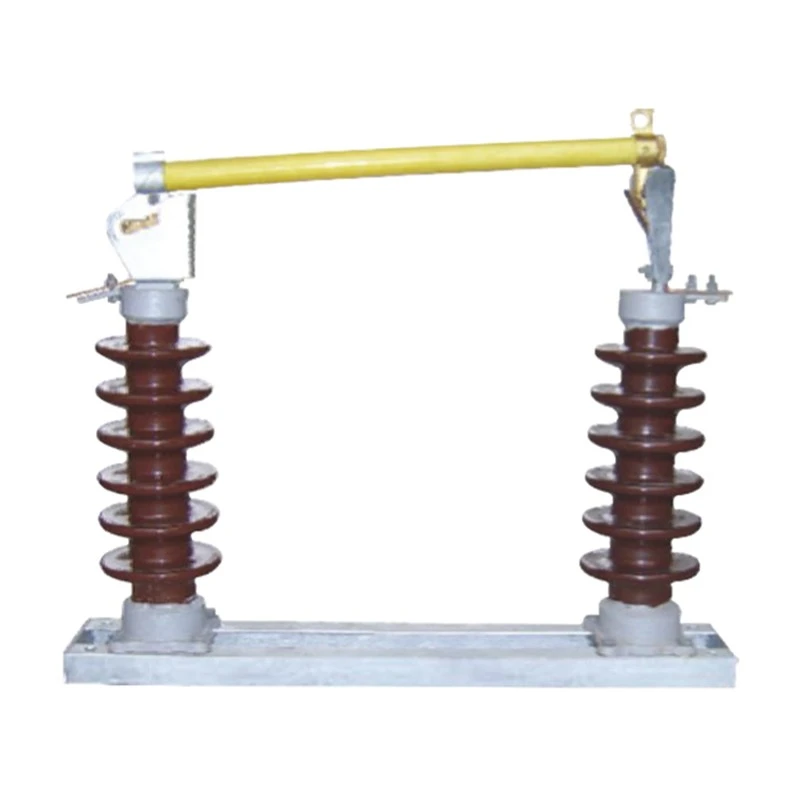
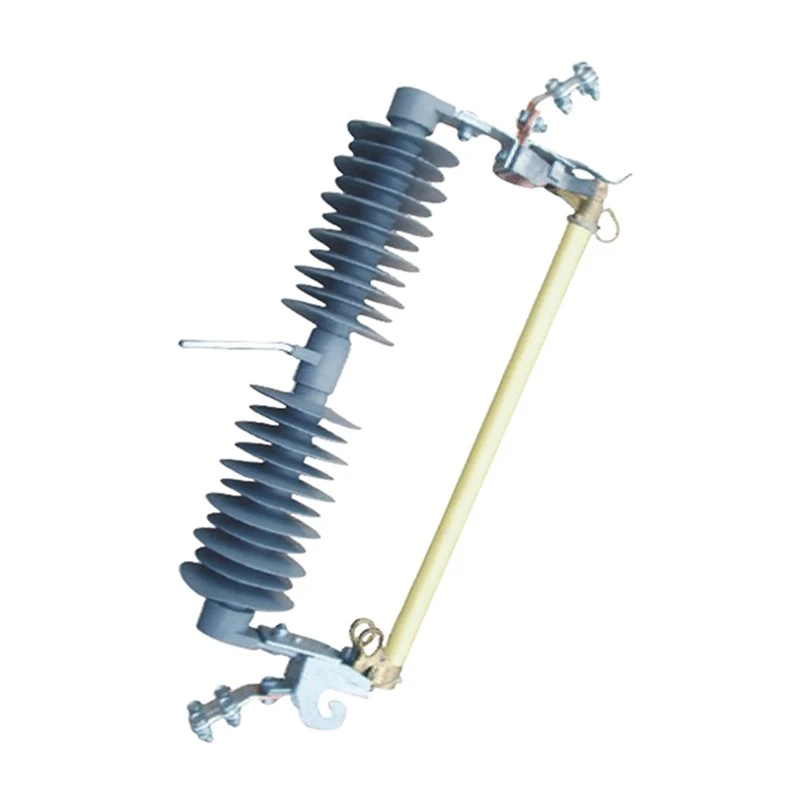
Now, we've got different types of high voltage cartridge fuses, each designed for specific applications. For instance, Outdoor High Voltage Fuse is built to withstand the elements. Out in the open, fuses can face extreme temperatures, rain, snow, and even UV rays. These outdoor fuses are made with special materials that can resist corrosion and still function reliably in tough conditions. They're commonly used in power transmission lines, where they protect large transformers and other outdoor electrical equipment.
Then there's the High Voltage Ceramic Fuse. Ceramic is a great material for fuses because it has excellent insulation properties. It can handle high voltages without breaking down. These fuses are often used in situations where there's a need for high - precision protection. They're used in things like high - end electronics and medical equipment, where a small over - current can cause a big problem.
Hv Hrc Fuse, or High Voltage High Rupturing Capacity fuse, is another important type. These fuses are designed to handle really high short - circuit currents. In industrial plants, where there are large motors and heavy machinery, short circuits can generate massive amounts of current. An Hv Hrc fuse can quickly interrupt this large current flow, preventing major damage to the equipment and the electrical system.
High Voltage Dc Fuse is used in direct - current (DC) circuits. DC circuits are a bit different from alternating - current (AC) circuits. In a DC circuit, the current flows in one direction only. These fuses are designed to handle the unique characteristics of DC current, such as the way it arcs when the fuse blows. They're commonly used in things like solar power systems, electric vehicles, and telecommunications equipment.
High Tension Fuse is used in high - voltage power systems. These fuses are designed to protect high - voltage lines and equipment. They're typically installed on utility poles or in substations. They're big and robust because they need to handle extremely high voltages and currents. If there's a fault in the high - voltage system, these fuses will quickly break the circuit to prevent widespread power outages and damage to the grid.
One of the great things about high voltage cartridge fuses is that they're relatively simple devices. They don't require any external power or complicated controls to work. They just rely on the basic principle of electrical heating and melting. This makes them very reliable and easy to maintain. However, it's important to choose the right fuse for the job. You need to consider factors such as the voltage rating of the circuit, the normal operating current, and the maximum short - circuit current.
We, as a high voltage cartridge fuse supplier, have a team of experts who can help you make the right choice. We understand that every application is different, and we've got a wide range of fuses to meet your needs. Whether you're working on a small electronics project or managing a large industrial power system, we've got the fuse that will work for you.
If you're in the market for high voltage cartridge fuses, or if you just have some questions about how they work or which one is right for your application, don't hesitate to reach out. We're here to help you protect your electrical systems from over - current situations. Contact us to start a conversation about your specific requirements and let's find the perfect fuse solution together.
References
- Electrical Engineering Handbook, various editions
- Textbooks on Power Systems and Electrical Protection
- Industry standards and guidelines related to high voltage fusing