Hey there! As a supplier of high voltage disconnectors, I've seen firsthand the ins and outs of these crucial electrical components. One question I often get asked is, "What's the difference between indoor and outdoor high voltage disconnectors?" Well, let's dive right in and break it down.
Design and Construction
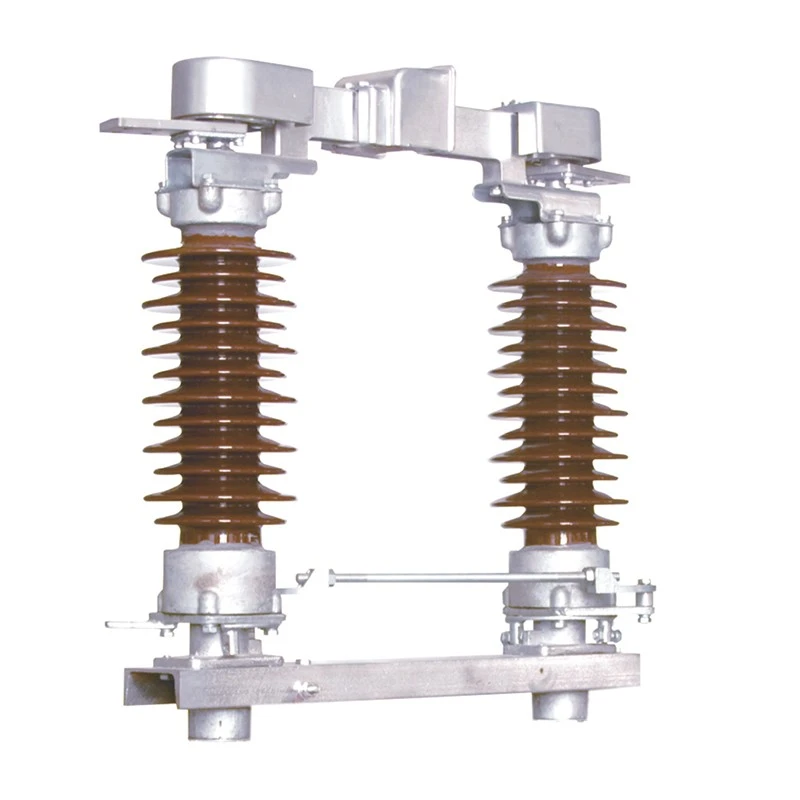
First off, the design and construction of indoor and outdoor high voltage disconnectors are quite different. Indoor disconnectors are designed to be used in controlled environments, like electrical substations or switchgear rooms. They don't have to deal with the harsh elements, so they can be more compact and less rugged.
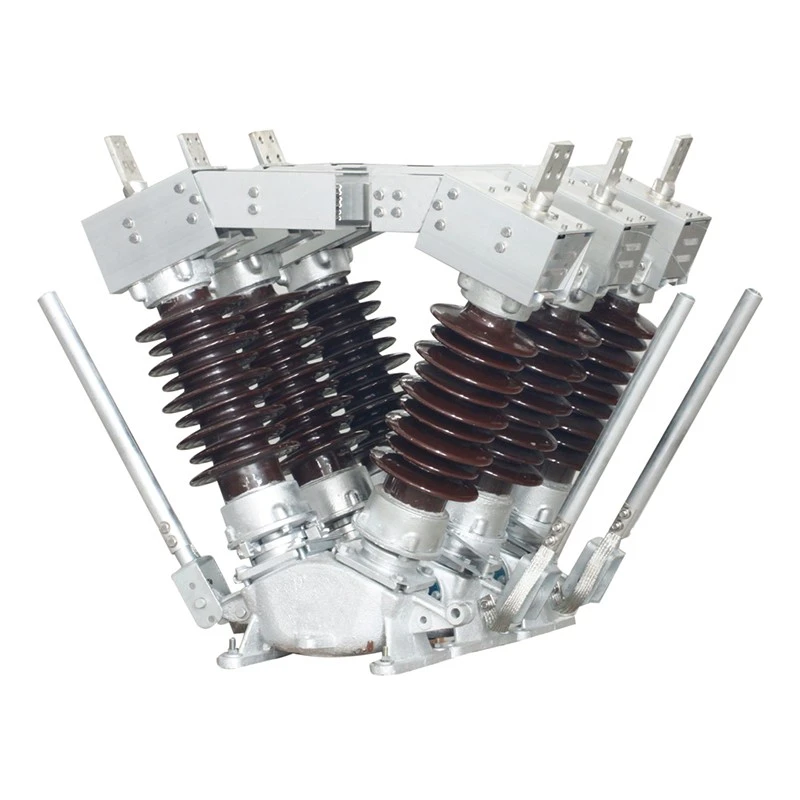
On the other hand, outdoor high voltage disconnectors are built to withstand the great outdoors. They need to be able to handle extreme temperatures, humidity, rain, snow, and even UV radiation. That's why they're usually made with more robust materials and have a more heavy - duty design. For example, the enclosure of an outdoor disconnector is often made of weather - resistant steel or fiberglass to protect the internal components from corrosion and damage.
Environmental Considerations
The environment plays a huge role in the performance and lifespan of high voltage disconnectors. Indoor Indoor High Voltage Disconnector disconnectors operate in a relatively stable environment. The temperature and humidity are usually controlled, and there's less dust and pollution. This means that they generally require less maintenance compared to their outdoor counterparts.
Outdoor disconnectors, however, face a constant battle against the elements. High humidity can cause corrosion on the contacts and other metal parts, which can lead to poor electrical conductivity. Extreme temperatures can also expand and contract the materials, potentially causing mechanical failures. To combat these issues, outdoor disconnectors are equipped with special coatings and seals to protect against moisture and corrosion. They also have to be designed to handle thermal expansion and contraction without losing their functionality.
Safety Features
Safety is always a top priority when it comes to high voltage equipment. Indoor and outdoor disconnectors have different safety requirements. Indoor disconnectors are often installed in enclosed spaces, so they need to be designed to prevent the spread of electrical arcs and fires within the confined area. They usually have built - in arc - quenching devices and insulation materials to minimize the risk of electrical accidents.
Outdoor Outdoor High Voltage Isolating Switch disconnectors, in addition to the basic safety features, need to account for the risk of lightning strikes. They are typically equipped with lightning arrestors to protect the electrical system from the high - energy surges caused by lightning. Also, since they are exposed to the public in some cases, they need to have proper fencing and safety signage to prevent unauthorized access.
Application and Usage
The application and usage scenarios of indoor and outdoor high voltage disconnectors also differ. Indoor disconnectors are commonly used in industrial plants, power distribution centers, and data centers. They are used to isolate electrical circuits for maintenance, repair, or when there is a fault in the system. For example, in a data center, an indoor disconnector can be used to cut off the power supply to a specific server rack during maintenance to ensure the safety of the technicians.
Outdoor disconnectors are mainly used in power transmission and distribution networks. They are installed at substations, along power lines, and in remote areas to connect or disconnect high voltage circuits. For instance, in a large - scale power grid, outdoor disconnectors are used to isolate sections of the transmission line for maintenance or to redirect power flow during peak demand periods.
Voltage Ratings and Capacities
Both indoor and outdoor high voltage disconnectors come in a variety of voltage ratings and capacities. However, outdoor disconnectors are often designed to handle higher voltages and larger currents. This is because they are used in the main power transmission and distribution systems, where the power levels are much higher compared to indoor applications.
Indoor disconnectors are usually used in lower - voltage distribution systems, such as those found in commercial buildings and small industrial facilities. They are sized according to the specific electrical load requirements of the indoor environment.
Cost and Maintenance
When it comes to cost, outdoor high voltage disconnectors are generally more expensive than indoor ones. This is due to their more complex design, heavy - duty construction, and the need for additional protective features. The cost of installation is also higher for outdoor disconnectors because of the need for special foundations and wiring to withstand the outdoor conditions.
Maintenance is another factor to consider. As mentioned earlier, indoor disconnectors require less maintenance because of the controlled environment. They may only need periodic inspections and cleaning. Outdoor disconnectors, on the other hand, need more frequent and comprehensive maintenance. This includes checking for corrosion, damage from the elements, and proper operation of the lightning arrestors and other safety features.
Other Types of High Voltage Disconnectors
In addition to the basic indoor and outdoor disconnectors, there are also other specialized types. For example, High Voltage Battery Disconnect Switch is used in battery energy storage systems. These switches are designed to isolate the battery bank from the electrical system when needed, such as during maintenance or in case of a fault in the battery.
High Voltage Dc Disconnect Switch is used in direct current (DC) applications, such as in solar power plants and electric vehicle charging stations. These switches need to be able to handle DC currents and voltages, which have different characteristics compared to alternating current (AC).
And then there's the Hv Disconnect Switch, which is a general - purpose high - voltage disconnect switch that can be used in a variety of indoor and outdoor applications.
Why Choose Our High Voltage Disconnectors
As a supplier, we offer a wide range of high - quality indoor and outdoor high voltage disconnectors. Our products are designed and manufactured to the highest standards, ensuring reliability and safety in all applications. We use the latest technologies and materials to make sure our disconnectors can withstand the toughest conditions and last for a long time.
Whether you need an indoor disconnector for a small commercial project or an outdoor disconnector for a large - scale power grid, we've got you covered. Our team of experts is always ready to help you choose the right product for your specific needs.
If you're in the market for high voltage disconnectors, we'd love to have a chat with you. We can provide you with more detailed information, answer any questions you might have, and even offer a customized solution. So, don't hesitate to reach out and start a conversation about your high - voltage disconnector needs.
References
- Electrical Power Systems Engineering Handbook, Second Edition
- High - Voltage Engineering: Fundamentals, by Ernst Kuffel, Wolfgang S. Zaengl, Josef Kuffel
That's all for today's blog. I hope this article has helped you understand the differences between indoor and outdoor high voltage disconnectors. If you have any more questions, feel free to leave a comment or contact us!