

As a supplier of Dc Load Switches, I've witnessed firsthand the widespread use and benefits of these devices in various electrical and electronic applications. However, like any technology, Dc Load Switches come with their share of disadvantages that are important for potential users to understand. In this blog post, I will delve into the drawbacks of Dc Load Switches, providing a balanced view to help you make informed decisions when considering their use in your projects.
1. Power Dissipation and Heat Generation
One of the most significant disadvantages of Dc Load Switches is power dissipation, which leads to heat generation. Dc Load Switches, especially those handling high currents, have a certain on - resistance ((R_{DS(ON)})). According to the power formula (P = I^{2}R), where (I) is the current flowing through the switch and (R) is the on - resistance, as the current increases, the power dissipated across the switch rises quadratically.
This power dissipation results in heat generation. Excessive heat can cause several issues. Firstly, it can reduce the efficiency of the overall system. For example, in a battery - powered device, the energy wasted as heat shortens the battery life. Secondly, high temperatures can degrade the performance and reliability of the switch itself. Over time, the increased temperature can accelerate the aging of the semiconductor materials in the switch, leading to a higher failure rate.
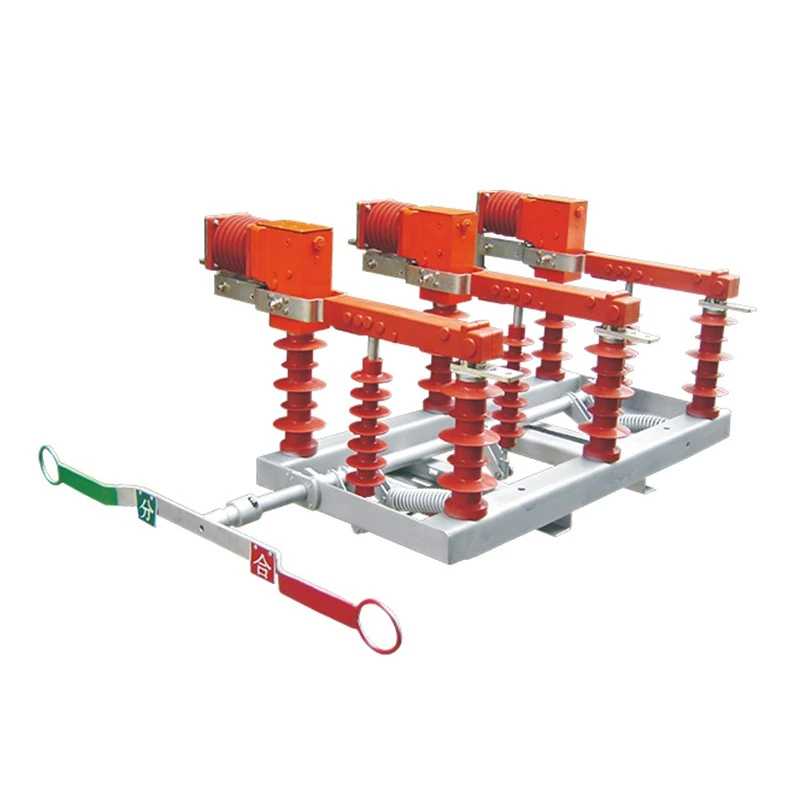
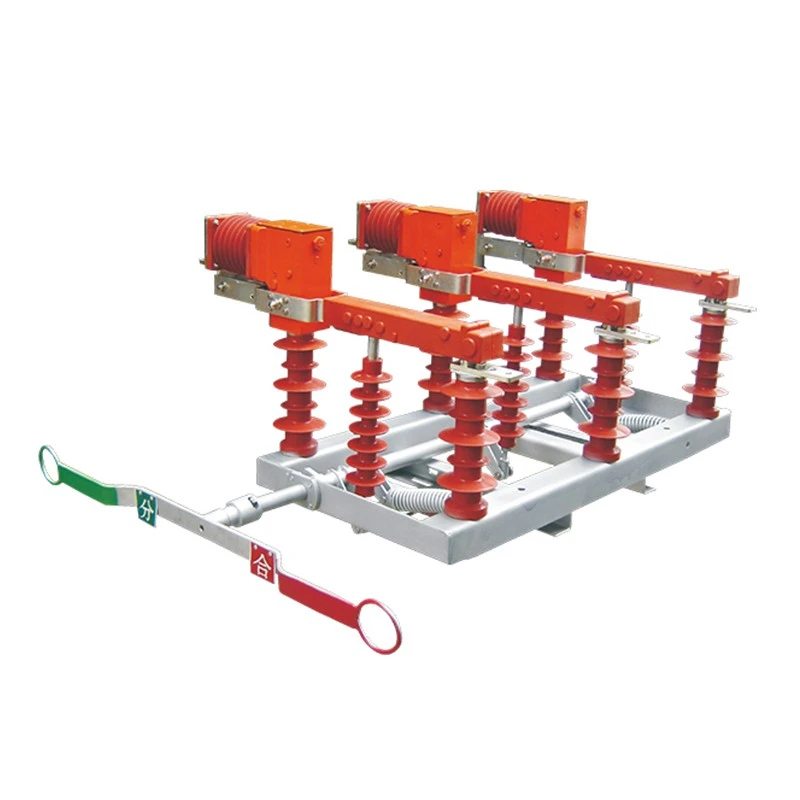
To mitigate this problem, heat sinks or other cooling mechanisms may be required. However, these additional components add to the cost, size, and complexity of the system. For applications where space and cost are critical factors, such as in portable electronics, this can be a major drawback.
2. Voltage Drop
Another disadvantage of Dc Load Switches is the voltage drop across the switch when it is in the on - state. Due to the on - resistance (R_{DS(ON)}), there is a voltage drop ((V = IR)) according to Ohm's law. This voltage drop can be a significant issue in applications where precise voltage regulation is required.
For instance, in a low - voltage power distribution system, a small voltage drop across the load switch can cause a noticeable reduction in the voltage supplied to the load. This can affect the performance of sensitive electronic components, such as microcontrollers or sensors, which may require a stable and accurate voltage supply to operate correctly.
The voltage drop also becomes more pronounced as the current flowing through the switch increases. In high - current applications, the voltage drop can be large enough to render the system inoperable or cause it to malfunction. This limits the use of Dc Load Switches in applications that demand high - current and precise voltage regulation.
3. Limited Current and Voltage Ratings
Dc Load Switches have limited current and voltage ratings. Each switch is designed to handle a maximum current and voltage, beyond which it may fail. This limitation can be a problem in applications that require high - power handling capabilities.
For example, in industrial power systems or electric vehicle charging stations, the current and voltage requirements can be extremely high. Standard Dc Load Switches may not be able to handle these high - power levels, and more expensive and specialized switches may be needed.
Moreover, the limited current and voltage ratings can also restrict the scalability of a system. If a system needs to be upgraded to handle higher loads in the future, the existing Dc Load Switches may need to be replaced, which can be costly and time - consuming.
4. Switching Speed and Transient Effects
The switching speed of Dc Load Switches is another area where disadvantages can be found. While some modern switches offer relatively fast switching times, there are still limitations. Slow switching speeds can cause issues in applications where rapid on - off switching is required, such as in high - frequency power converters or pulse - width modulation (PWM) circuits.
During the switching process, transient effects can also occur. When the switch turns on or off, there can be voltage spikes and current surges. These transients can damage other components in the circuit, especially sensitive semiconductor devices. To protect against these transients, additional components such as snubbers or clamping diodes may be required, which again add to the cost and complexity of the system.
5. Cost
Cost is an important consideration when it comes to using Dc Load Switches. High - performance Dc Load Switches, especially those with low on - resistance, high current ratings, and fast switching speeds, can be quite expensive. This can be a deterrent for cost - sensitive applications, such as consumer electronics or low - end industrial products.
In addition to the cost of the switch itself, the cost of associated components, such as heat sinks, protection circuits, and drivers, also needs to be taken into account. These additional costs can make the overall system more expensive, reducing its competitiveness in the market.
Despite these disadvantages, Dc Load Switches still have many advantages, such as their ability to provide electrical isolation, protect against overcurrent and short - circuit conditions, and offer easy control. At [Our Company], we offer a wide range of Dc Load Switches, including High Current Load Switch, Power Load Switch, Medium Voltage Load Break Switch, and High Voltage Load Switch. Our team of experts can help you select the most suitable switch for your specific application, taking into account both the advantages and disadvantages.
If you are interested in our Dc Load Switches or would like to discuss your requirements further, we encourage you to get in touch with us. We are committed to providing high - quality products and excellent customer service. Contact us today to start a conversation about how our Dc Load Switches can meet your needs.
References
- Boylestad, R. L., & Nashelsky, L. (2018). Electronic Devices and Circuit Theory. Pearson.
- Floyd, T. L. (2016). Principles of Electric Circuits: Conventional Current Version. Pearson.