

Hey there! As a supplier of high tension circuit breakers, I've been keeping a close eye on the industry. High tension circuit breakers are crucial in electrical systems, protecting equipment and ensuring safety. So, what are the new development trends of these bad boys in the future? Let's dive in.
1. Enhanced Safety Features
Safety has always been a top priority, and it'll become even more so in the future. Future high tension circuit breakers will have more advanced protection mechanisms. For example, they'll be equipped with better arc - quenching technology. Arcs can be extremely dangerous in high - voltage situations, causing damage to the circuit breaker itself and other components in the system.
New materials and designs will be used to improve arc - quenching efficiency. Some research is focusing on using nanomaterials in the arc - quenching chambers. These nanomaterials can have unique electrical and thermal properties, which can help to extinguish arcs more quickly and effectively.
Another aspect of safety is the prevention of over - current and over - voltage. Future circuit breakers will be able to detect abnormal electrical conditions much faster. They'll use advanced sensors and algorithms to analyze the electrical signals in real - time. If an over - current or over - voltage situation is detected, the circuit breaker can trip immediately, preventing damage to the electrical equipment. You can check out our High Voltage Vacuum Circuit Breaker which already incorporates some of these advanced safety features.
2. Smart and Connected Circuit Breakers
The era of smart technology is here, and high tension circuit breakers are no exception. In the future, most high tension circuit breakers will be smart and connected. They'll have built - in sensors that can collect a wide range of data, such as current, voltage, temperature, and operating time.
This data can be transmitted to a central monitoring system via wireless communication technologies like Wi - Fi, ZigBee, or even 5G. Operators can then monitor the status of the circuit breakers remotely. For example, if the temperature of a circuit breaker is rising abnormally, the monitoring system can send an alert to the operator's smartphone or computer.
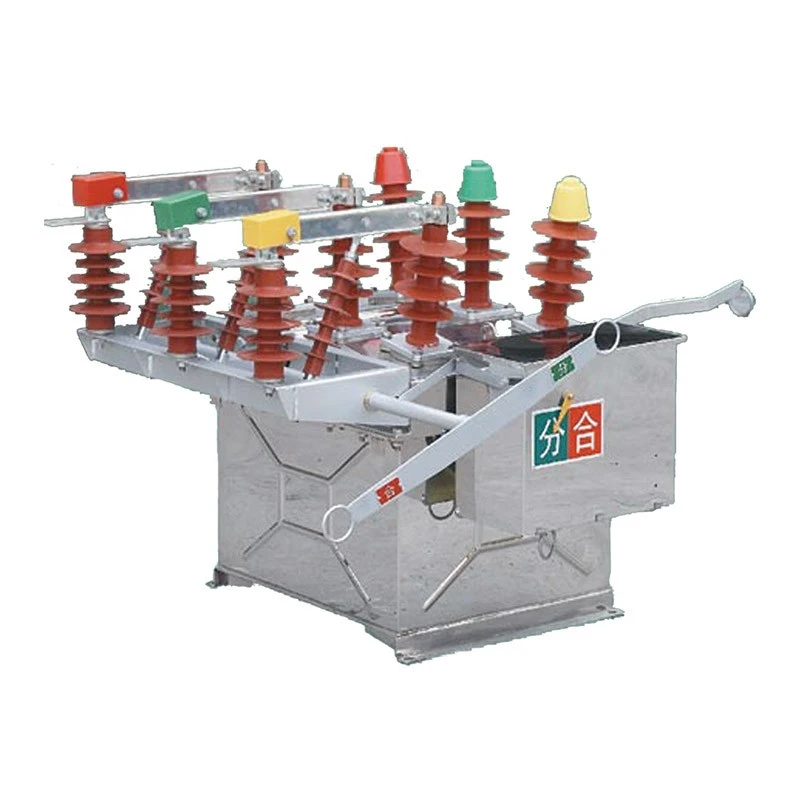
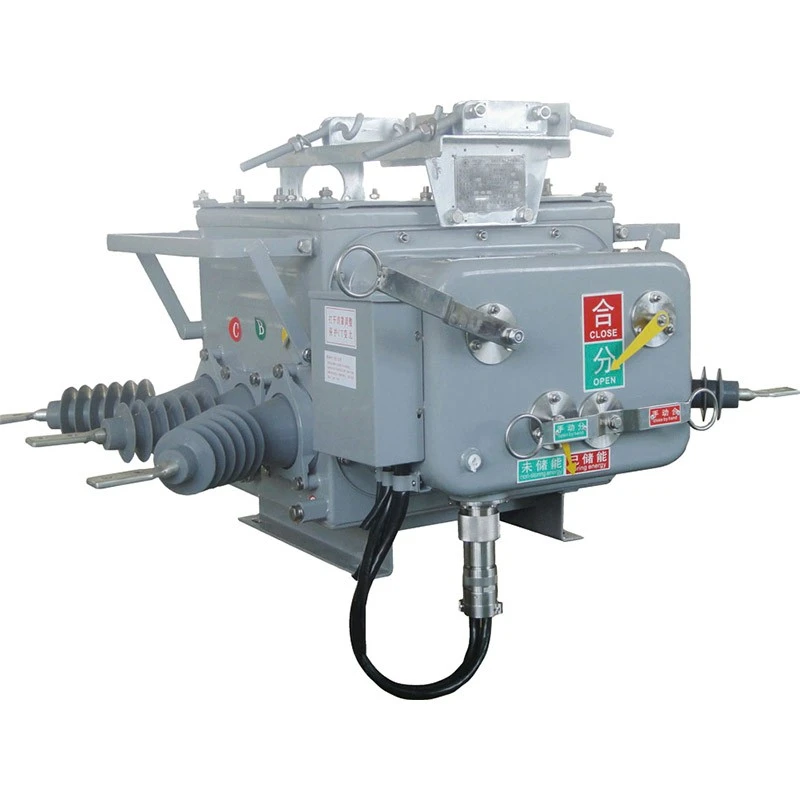
Smart circuit breakers can also perform self - diagnostics. They can detect potential faults in their components and predict when maintenance is required. This predictive maintenance can save a lot of time and money, as it allows operators to replace faulty parts before a complete failure occurs. Our Indoor High Voltage Vacuum Circuit Breaker is moving towards this smart and connected trend, offering better monitoring and control options.
3. Environment - Friendly Design
With increasing concerns about the environment, future high tension circuit breakers will be more environmentally friendly. One of the major issues in current circuit breakers is the use of some harmful substances. For instance, SF6 is widely used in outdoor circuit breakers because of its excellent insulation and arc - quenching properties. However, SF6 is a potent greenhouse gas with a very high global warming potential.
In the future, alternative gases or technologies will be developed to replace SF6. Some research is exploring the use of dry air or other non - greenhouse gases as insulation and arc - quenching media. Our Outdoor SF6 Circuit Breaker is currently working on solutions to reduce SF6 emissions and exploring more eco - friendly alternatives.
Another aspect of environmental design is the recyclability of circuit breaker components. Manufacturers will design circuit breakers in a way that makes it easier to recycle and reuse materials at the end of their life cycle. This will not only reduce waste but also conserve natural resources.
4. Higher Voltage and Current Ratings
As the demand for electricity continues to grow, there will be a need for high tension circuit breakers with higher voltage and current ratings. In power transmission and distribution systems, the ability to handle higher electrical loads is becoming increasingly important.
New materials and manufacturing techniques will be developed to enable circuit breakers to operate at higher voltages and currents. For example, advanced insulation materials with better dielectric strength will be used to prevent electrical breakdown at high voltages. And the conductive parts of the circuit breaker will be designed to handle larger currents without overheating. Our High Voltage Dc Breaker is also evolving to meet the requirements of higher voltage and current in DC systems, which are becoming more common in modern power grids.
5. Miniaturization
With the limited space in electrical substations and control panels, miniaturization is a significant trend for high tension circuit breakers. Future circuit breakers will be smaller in size while maintaining or even improving their performance.
This will be achieved through better design and the use of advanced materials. For example, high - performance magnetic materials can be used to reduce the size of the magnetic components in the circuit breaker. At the same time, integrated circuit technology can be used to miniaturize the control and protection circuits. Our High Voltage Air Circuit Breaker is also exploring ways to reduce its size without sacrificing its functionality.
Conclusion
In conclusion, the future of high tension circuit breakers is very promising, with a lot of exciting development trends on the horizon. From enhanced safety features and smart connectivity to environmentally friendly design, higher ratings, and miniaturization, these trends will shape the next generation of high tension circuit breakers.
As a supplier, we're committed to keeping up with these trends and providing our customers with the best - in - class products. If you're in the market for high tension circuit breakers and want to learn more about our offerings or discuss your specific requirements, feel free to reach out. We'd love to have a chat with you about how our products can meet your needs and help you build a more reliable and efficient electrical system.
References
- IEEE Transactions on Power Delivery.
- Electrical Power Components and Systems journal.
- International Conference on High Voltage Engineering and Application proceedings.