

Hey there, folks! As a supplier of High Current Load Switches, I often get asked about the grounding requirements for these nifty devices. So, I thought I'd take a few minutes to break it down for you in a more conversational way. After all, understanding these requirements is crucial for ensuring the safety and efficiency of your electrical systems.
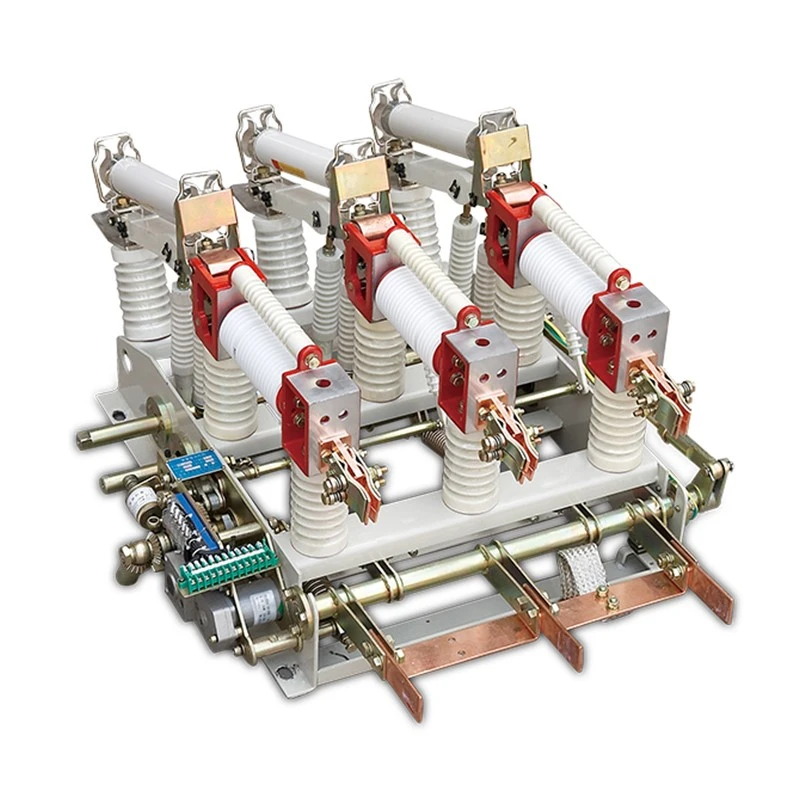
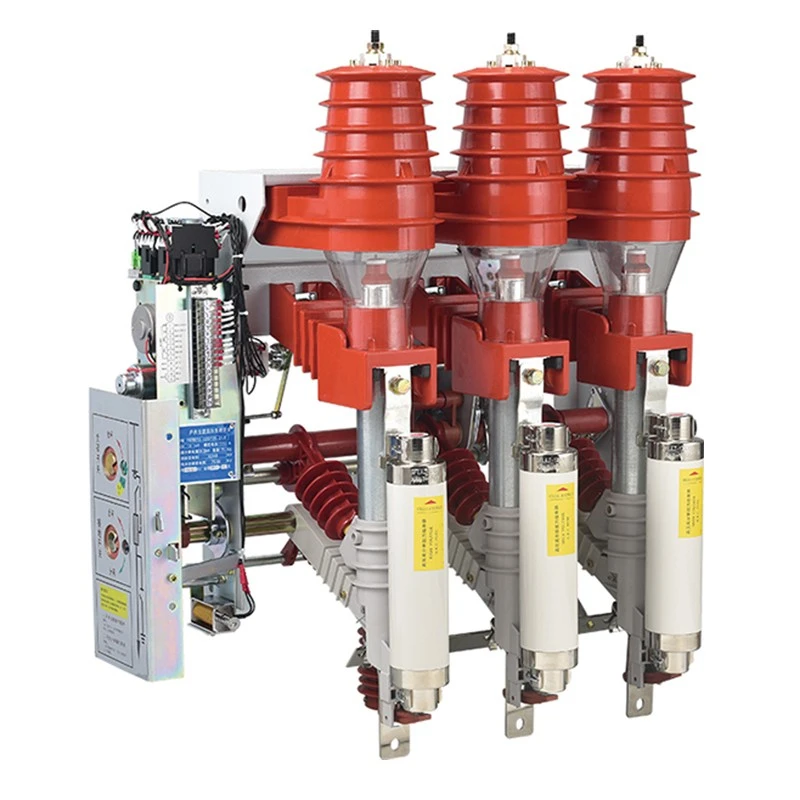
First things first, let's talk about what a High Current Load Switch is. It's a device designed to handle and control high amounts of electrical current. You can find them in all sorts of applications, from industrial settings to large-scale power distribution systems. If you're curious about the different types of load switches we offer, you can check out our High Current Load Switch page.
Now, onto the main topic: grounding requirements. Grounding, in simple terms, is the process of connecting an electrical circuit to the earth. This is done to provide a safe path for electrical current in case of a fault or short circuit. For a High Current Load Switch, proper grounding is absolutely essential.
One of the primary reasons for grounding a High Current Load Switch is safety. When a fault occurs, such as a short circuit, the excess current needs a place to go. Without a proper ground connection, this current could flow through other parts of the system, potentially causing damage to equipment and posing a serious risk of electrical shock to anyone nearby. By grounding the load switch, we create a low-resistance path for the fault current to flow directly to the earth, minimizing these risks.
Another important aspect of grounding is to protect the load switch itself. High current can generate a lot of heat, and in the event of a fault, the sudden surge of current can cause even more heat to build up. A proper ground connection helps to dissipate this heat and prevent damage to the switch. It also helps to stabilize the voltage levels in the system, which is crucial for the proper operation of the load switch.
So, what are the specific grounding requirements for a High Current Load Switch? Well, it depends on a few factors, including the type of switch, the application, and the local electrical codes.
In general, the load switch should be connected to a reliable grounding electrode. This could be a ground rod, a grounding plate, or a network of grounding conductors. The grounding electrode should have a low resistance to ensure that fault current can flow easily to the earth. The National Electrical Code (NEC) in the United States, for example, requires that the resistance of the grounding electrode system be less than 25 ohms.
The grounding conductor used to connect the load switch to the grounding electrode should also be of an appropriate size. The size of the conductor is determined by the amount of current that the load switch is designed to handle. A larger conductor is needed for higher current loads to ensure that it can carry the fault current without overheating.
It's also important to make sure that all connections between the load switch, the grounding conductor, and the grounding electrode are secure and properly tightened. Loose connections can increase the resistance in the grounding path, which can reduce its effectiveness and potentially lead to problems.
In addition to the physical grounding requirements, there are also some electrical considerations. The grounding system should be designed to provide a continuous and low-impedance path for fault current. This means that there should be no breaks or interruptions in the grounding circuit, and all components should be properly bonded together.
For example, if the load switch is installed in a metal enclosure, the enclosure should also be grounded. This helps to prevent the buildup of static electricity and provides an additional layer of protection in case of a fault. You can use bonding jumpers to connect the enclosure to the grounding system.
Now, let's touch on some of the related load switches. We also offer Medium Voltage Load Break Switch, Ac Load Switch, and Power Load Switch. Each of these switches has its own set of grounding requirements, but the basic principles are the same.
Whether you're using a High Current Load Switch or one of our other load switches, it's important to follow the manufacturer's instructions and local electrical codes when it comes to grounding. This will ensure that your electrical system is safe, reliable, and compliant with all relevant standards.
If you're in the market for a High Current Load Switch or any of our other load switches, and you have questions about grounding requirements or anything else related to our products, we're here to help. Just reach out to us, and our team of experts will be more than happy to assist you. We understand that every application is unique, and we'll work with you to find the best solution for your specific needs.
So, don't hesitate to get in touch if you're looking to purchase a load switch. We're confident that our products will meet and exceed your expectations, and we're committed to providing you with the highest level of service. Whether you're a small business or a large industrial facility, we have the right load switch for you.
References
- National Electrical Code (NEC)
- Manufacturer's documentation for High Current Load Switches