

As a high current load switch supplier, I get asked a lot about the synchronization options for these switches. It's a crucial topic, especially for those dealing with high - power applications. In this blog, I'll break down the different synchronization options available and how they can benefit your projects.
Understanding High Current Load Switches
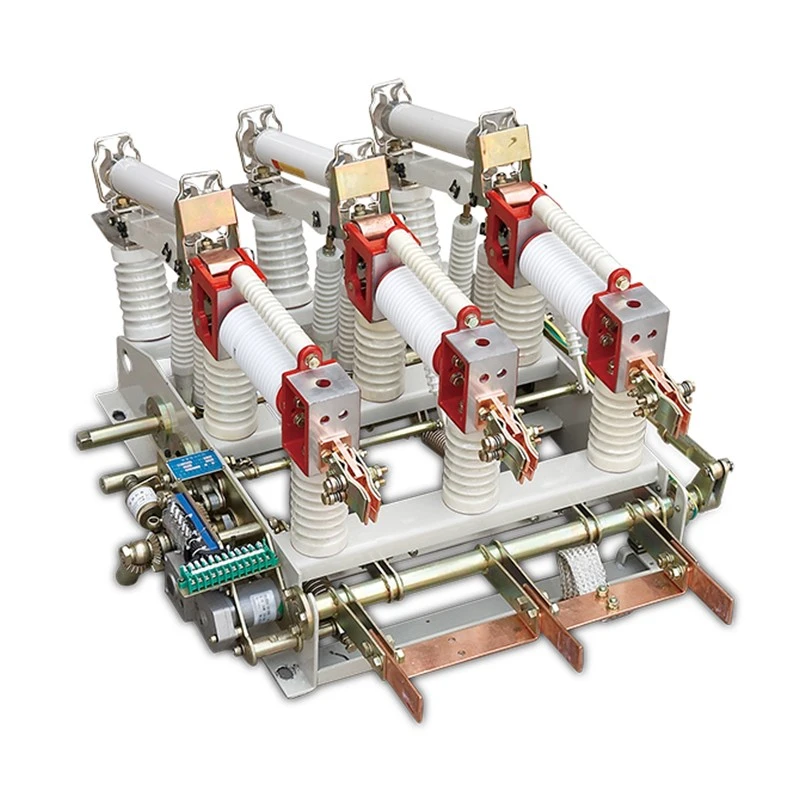
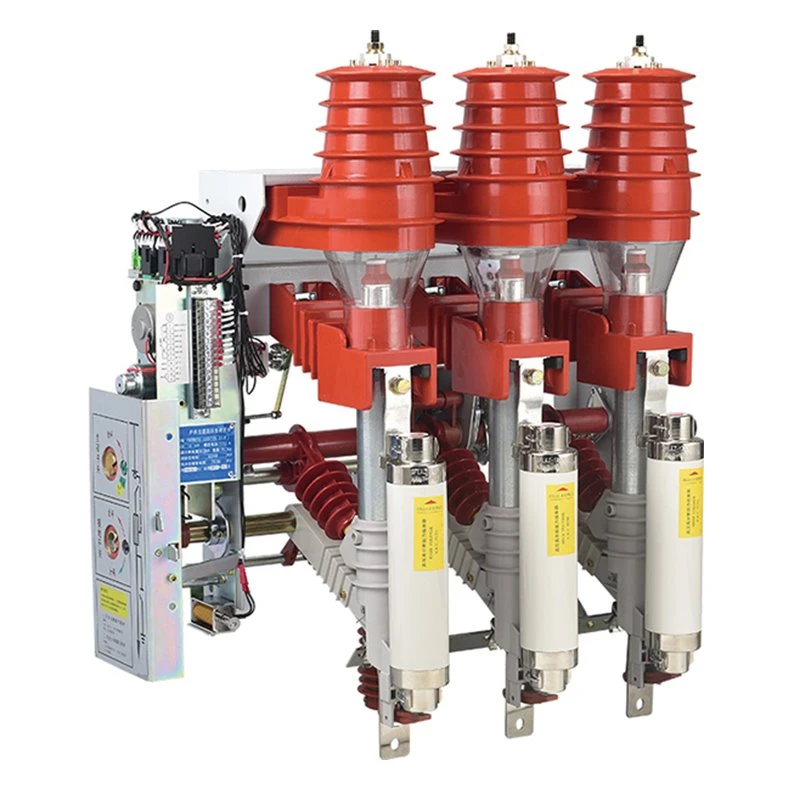
Before we jump into the synchronization options, let's quickly go over what high current load switches are. These switches are designed to handle large amounts of electrical current. They're used in a wide range of applications, from industrial machinery to automotive systems. Their main job is to control the flow of power to different parts of a circuit, ensuring that everything runs smoothly and safely.
Why Synchronization Matters
Synchronization in high current load switches is all about making sure that different switches in a system operate in harmony. When multiple switches are used in a circuit, they need to turn on and off at the right times. If they're not synchronized, it can lead to all sorts of problems, like power surges, voltage drops, and even equipment damage. So, getting the synchronization right is super important for the overall performance and longevity of your electrical systems.
Common Synchronization Options
1. Hard - Wired Synchronization
This is one of the most straightforward methods. With hard - wired synchronization, the switches are physically connected to each other using wires. When one switch receives a signal to turn on or off, this signal is transmitted through the wires to the other switches. It's a reliable method, especially for systems where the switches are close to each other. The main advantage of hard - wired synchronization is its simplicity. There's no need for complex programming or wireless communication. However, it can be a bit limiting in terms of distance. If the switches are far apart, running the wires can be a hassle and may introduce signal losses.
2. Software - Based Synchronization
In modern systems, software - based synchronization is becoming more and more popular. With this method, a central controller or microcontroller is used to manage the switches. The controller sends out commands to each switch, telling them when to turn on and off. This allows for a high degree of flexibility. You can easily change the synchronization settings by adjusting the software. For example, if you need to change the switching sequence for a different operating mode, you just tweak the program. Software - based synchronization also enables more complex synchronization patterns, which can be useful in advanced applications. But, it does require some technical know - how to set up and maintain the software. Also, there's a risk of software glitches that could affect the synchronization.
3. Wireless Synchronization
Wireless synchronization is a great option for systems where running wires is difficult or not possible. With wireless technology, switches can communicate with each other using radio waves or other wireless protocols. This allows for a lot of freedom in terms of switch placement. You can have switches in different parts of a large facility, and they can still synchronize effectively. Wireless synchronization is also relatively easy to install. You just need to make sure that the switches are configured to communicate on the same frequency. However, it can be affected by interference. Things like other wireless devices or physical obstacles can disrupt the communication between the switches.
Choosing the Right Synchronization Option
The choice of synchronization option depends on several factors. First, consider the physical layout of your system. If the switches are close together, hard - wired synchronization might be the quickest and easiest solution. On the other hand, if your switches are spread out over a large area, wireless or software - based synchronization could be more suitable.
Think about the level of complexity of your system. If you need simple on - off control and don't anticipate many changes to the switching sequence, a basic hard - wired setup might do the trick. But if you have a more complex system with multiple operating modes and variable switching requirements, software - based synchronization is the way to go.
Also, take into account your budget and technical resources. Setting up a software - based system may require more investment in terms of hardware and software development. And if you don't have the in - house expertise, you might need to hire outside help. Wireless systems can also be more expensive initially, but they can save on installation costs in the long run.
Related Products in Our Portfolio
As a high current load switch supplier, we offer a variety of related products that you might find interesting. You can check out our High Voltage Load Break Switch, which is designed for high - voltage applications and provides reliable load breaking capabilities. Our Dc Load Switch is perfect for direct - current circuits, offering precise control over the power flow. If you're dealing with general power applications, our Power Load Switch is a great choice. It's built to handle high power levels with ease. For high - voltage scenarios, our High Voltage Load Switch can be a reliable option. And for alternating - current systems, we have the Ac Load Switch, which offers efficient switching performance.
Let's Get in Touch
If you're in the market for high current load switches and need help choosing the right synchronization option, don't hesitate to reach out. We have a team of experts who can guide you through the process and help you find the best solution for your specific needs. Whether you have a small - scale project or a large - industrial application, we've got you covered. So, let's start a conversation and see how we can work together to make your electrical systems run more efficiently.
References
- Grob's Basic Electronics. By Mitchel E. Schultz.
- Electrical Engineering Handbook. Edited by Richard C. Dorf.