

The ability of a high voltage load switch to interrupt short - circuit current is a critical question in the electrical engineering field, especially for those involved in power distribution systems. As a supplier of High Voltage Load Switches, we are often asked about this very topic. In this blog, we will explore the technical aspects, limitations, and practical applications related to the high voltage load switch's capacity to handle short - circuit currents.
Understanding High Voltage Load Switches
High voltage load switches are essential components in power systems. They are designed to make and break normal load currents, such as those in transformers, capacitors, and transmission lines under normal operating conditions. The primary function of a High Voltage Load Switch is to control the flow of electricity and isolate circuits for maintenance purposes. Unlike circuit breakers, load switches are not typically built to handle the extremely high currents associated with short - circuits.
Load switches come in different types, including Dc Load Switch and Ac Load Switch, each tailored to specific electrical systems. DC load switches are commonly used in applications like battery - powered systems and DC power transmission, while AC load switches are prevalent in the standard grid infrastructure and industrial AC power systems.
Short - Circuit Current Basics
Short - circuit current is an abnormal current that occurs when there is a low - resistance connection between two points in an electrical circuit that are normally at different voltages. This can be caused by insulation failure, equipment damage, or human error. Short - circuit currents can be extremely large, often several times higher than the normal operating current of the system.
The magnitude of the short - circuit current depends on several factors, including the system voltage, the impedance of the power source, and the distance from the short - circuit point to the source. In high - voltage systems, short - circuit currents can reach thousands of amperes, posing a significant threat to the safety and reliability of the electrical equipment.
Can a High Voltage Load Switch Interrupt Short - Circuit Current?
In general, a high voltage load switch is not designed to interrupt short - circuit current. The design of a load switch focuses on handling normal load currents and making and breaking these currents safely. When a short - circuit occurs, the current rises rapidly, and the energy associated with the short - circuit is much higher than what a load switch can handle.
Load switches typically use a simple switching mechanism, such as a blade - type or a rotary switch. These mechanisms are designed to operate smoothly under normal load conditions but may not have the ability to quickly extinguish the arc that forms when interrupting a high - current short - circuit. The arc can cause severe damage to the contacts of the load switch, leading to equipment failure and potentially endangering the entire power system.
However, there are some special - purpose high voltage load switches that are equipped with additional features to handle limited short - circuit currents. These switches are often referred to as load - break switches with short - time withstand capabilities. They are designed to withstand a short - circuit current for a brief period, usually a few hundred milliseconds, until a protective device, such as a circuit breaker, can isolate the fault.
Limitations of High Voltage Load Switches in Interrupting Short - Circuit Currents
The main limitations of high voltage load switches in interrupting short - circuit currents stem from their design and construction. Firstly, the contacts of a load switch are not designed to handle the high - energy arcs produced during short - circuit interruption. The high temperature and pressure generated by the arc can cause melting and welding of the contacts, rendering the switch inoperable.
Secondly, load switches may not have fast enough operating mechanisms to interrupt the short - circuit current quickly. In a short - circuit situation, every millisecond counts, and a slow - acting switch can lead to prolonged damage to the electrical system.
Thirdly, load switches do not have the sophisticated protection and control systems that circuit breakers possess. Circuit breakers are equipped with relays and sensors that can detect short - circuits and initiate the interruption process automatically, while load switches rely on manual or semi - automatic operation.
Practical Applications and Complementary Use with Other Devices
Despite their limitations in interrupting short - circuit currents, high voltage load switches still play a crucial role in power systems. They are commonly used in combination with other protective devices, such as fuses and circuit breakers.
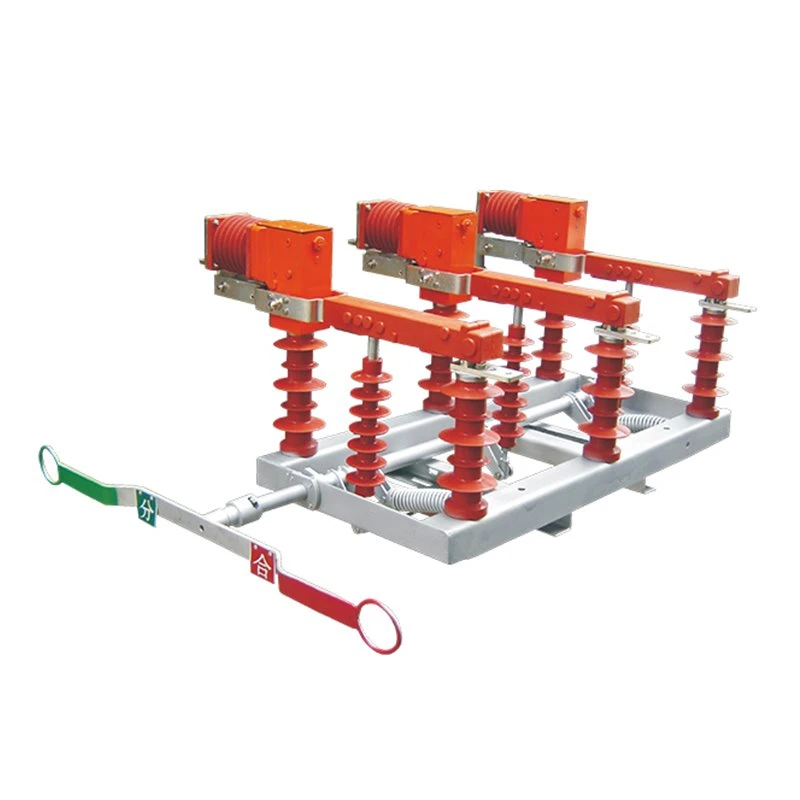
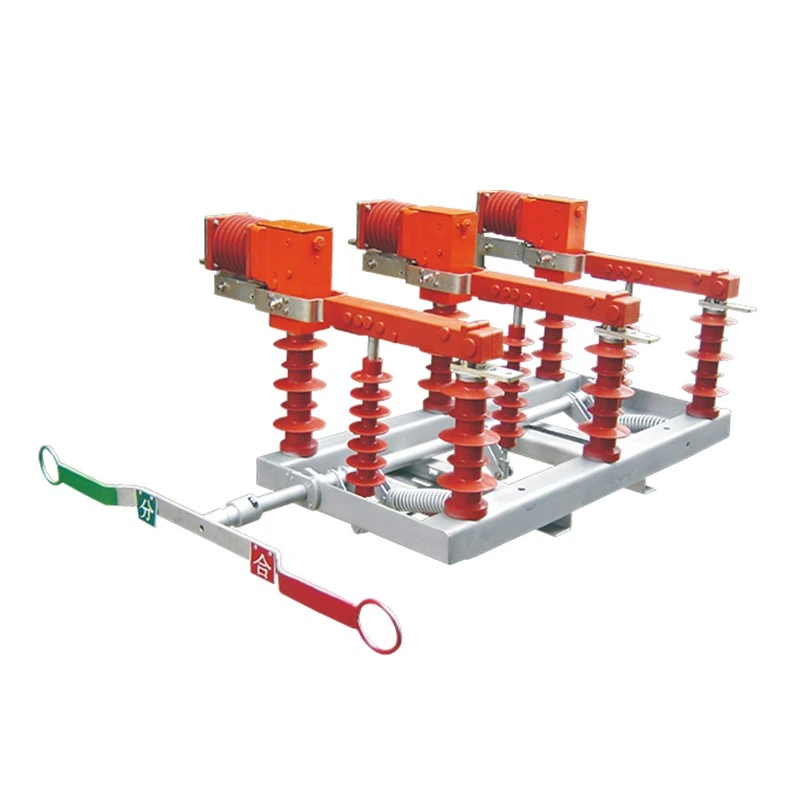
In many distribution networks, high voltage load switches are used to isolate sections of the circuit for maintenance or to transfer loads between different feeders. When a short - circuit occurs, the fuse or circuit breaker will trip first, interrupting the short - circuit current. The load switch can then be used to isolate the faulty section of the circuit after the fault has been cleared.
For example, in a substation, a Power Load Switch may be used to connect or disconnect a transformer from the grid. If a short - circuit occurs in the transformer, a circuit breaker will open to protect the system, and the load switch can be used later to isolate the transformer for repair or replacement.
High Current Load Switches and Their Role
High Current Load Switch are a subset of load switches designed to handle relatively high currents. While they are still not intended for direct short - circuit interruption, they can be more robust than standard load switches. High current load switches are often used in applications where large normal load currents are present, such as in industrial power plants or large - scale data centers.
These switches are designed with larger contacts and better heat - dissipation capabilities to handle the increased current. However, they still rely on external protective devices to deal with short - circuits.
Importance of Proper Selection and Installation
When selecting a high voltage load switch for a specific application, it is essential to consider the normal load current, the expected short - circuit current, and the operating environment. A switch that is undersized or not suitable for the application may fail to perform its function properly, leading to equipment damage and power outages.
Proper installation is also crucial. The load switch must be installed in accordance with the manufacturer's instructions, and all electrical connections must be tight and secure. Incorrect installation can increase the risk of arcing and other electrical problems.
Conclusion and Call to Action
In conclusion, while a high voltage load switch is not typically designed to interrupt short - circuit current, it remains an important component in electrical power systems. Understanding its capabilities and limitations is essential for the proper design, operation, and maintenance of these systems.
If you are in the market for high - quality high voltage load switches or other related products, we invite you to contact us for more information and to discuss your specific requirements. Our team of experts is ready to assist you in selecting the right products and providing technical support. Whether you need a Dc Load Switch, Ac Load Switch, High Voltage Load Switch, Power Load Switch, or High Current Load Switch, we have the solutions to meet your needs.
References
- Electric Power Distribution Handbook, by Thomas A. Short
- High - Voltage Engineering Fundamentals, by E. Kuffel, W.S. Zaengl, and J. Kuffel