

When dealing with electrical systems, especially those operating at high voltages, high voltage cartridge fuses are crucial for ensuring safety and functionality. These fuses are designed to protect electrical equipment from overcurrent situations, which can lead to damage, fires, or other hazards. As a supplier of high voltage cartridge fuses, I've had the opportunity to interact with a wide range of clients, each with unique needs and budgets. In this blog post, I'll delve into the price range of high voltage cartridge fuses, exploring the factors that influence their cost and providing insights for those looking to make informed purchasing decisions.
Understanding High Voltage Cartridge Fuses
Before we discuss the price range, it's important to understand what high voltage cartridge fuses are and how they work. These fuses are essentially protective devices that interrupt the flow of electrical current when it exceeds a certain level. They consist of a fuse element, typically made of a metal alloy, enclosed in a cartridge. When the current passing through the fuse exceeds its rated value, the fuse element melts, breaking the circuit and preventing further damage to the equipment.
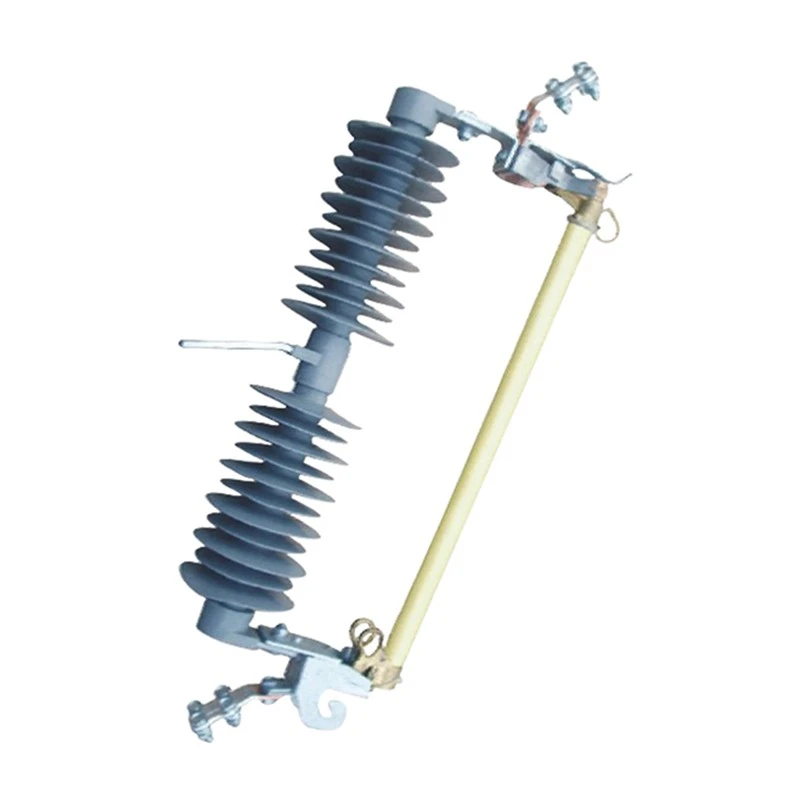
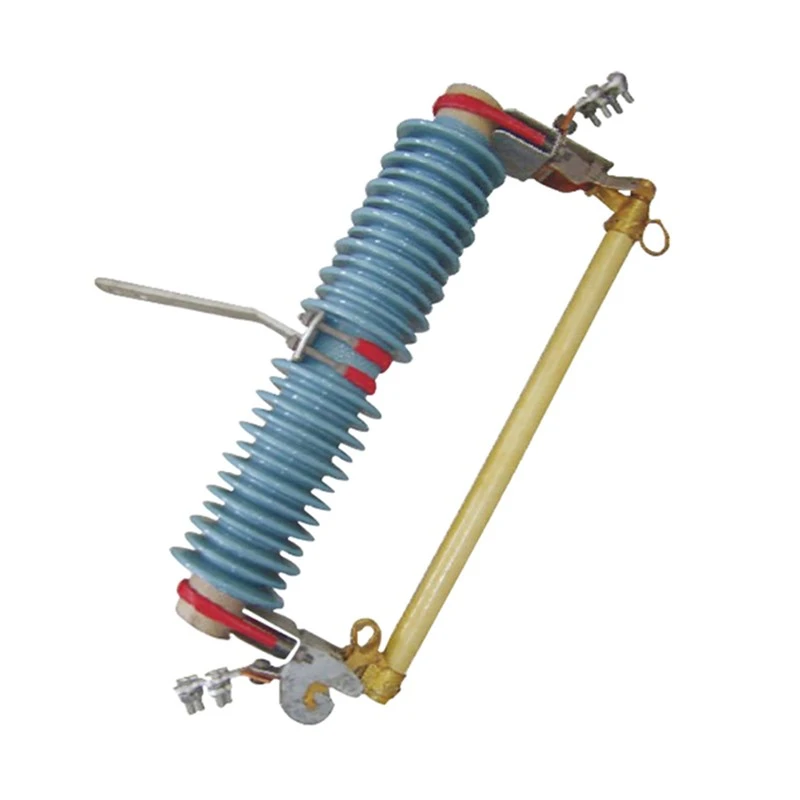
High voltage cartridge fuses are used in a variety of applications, including power generation, transmission, and distribution systems, as well as industrial and commercial electrical installations. They are available in different types and configurations to suit different voltage levels, current ratings, and fault conditions. Some common types of high voltage cartridge fuses include Outdoor High Voltage Fuse, High Voltage Dc Fuse, Hv Hrc Fuse, High Voltage Ceramic Fuse, and High Tension Fuse.
Factors Influencing the Price of High Voltage Cartridge Fuses
The price of high voltage cartridge fuses can vary significantly depending on several factors. Here are some of the key factors that influence the cost:
Voltage Rating
One of the most significant factors affecting the price of high voltage cartridge fuses is their voltage rating. Fuses designed for higher voltage applications typically cost more than those for lower voltage applications. This is because higher voltage fuses require more insulation and better materials to withstand the increased electrical stress. For example, a high voltage cartridge fuse rated for 13.8 kV will generally be more expensive than one rated for 2.4 kV.
Current Rating
The current rating of a high voltage cartridge fuse also plays a role in determining its price. Fuses with higher current ratings are usually more expensive because they require larger fuse elements and more robust construction to handle the increased current. For instance, a fuse rated for 100 amps will cost more than one rated for 10 amps.
Type of Fuse
As mentioned earlier, there are different types of high voltage cartridge fuses available, each with its own unique features and applications. Some types, such as high rupturing capacity (HRC) fuses, are more expensive than others due to their ability to interrupt high fault currents safely. Additionally, fuses with special features, such as time-delay characteristics or fast-acting capabilities, may also command a higher price.
Brand and Quality
The brand and quality of the high voltage cartridge fuse can also have a significant impact on its price. Well-known brands with a reputation for reliability and quality often charge more for their products. However, investing in a high-quality fuse can provide long-term benefits, such as reduced maintenance costs and increased system reliability.
Quantity
The quantity of high voltage cartridge fuses you purchase can also affect the price. In general, buying in bulk can result in lower per-unit costs. Many suppliers offer discounts for large orders, so it's worth considering purchasing a larger quantity if you have a long-term need for these fuses.
Price Range of High Voltage Cartridge Fuses
Given the various factors that influence the price of high voltage cartridge fuses, it's difficult to provide a specific price range. However, I can give you a general idea based on my experience in the industry.
For low-voltage (up to 1 kV) high voltage cartridge fuses with a relatively low current rating (up to 100 amps), the price can range from $10 to $50 per fuse. These fuses are commonly used in small-scale industrial and commercial applications.
For medium-voltage (1 kV to 36 kV) high voltage cartridge fuses with a moderate current rating (100 to 600 amps), the price can range from $50 to $500 per fuse. These fuses are typically used in power distribution systems and larger industrial installations.
For high-voltage (above 36 kV) high voltage cartridge fuses with a high current rating (above 600 amps), the price can range from $500 to several thousand dollars per fuse. These fuses are used in power generation and transmission systems, where reliability and performance are of utmost importance.
It's important to note that these are just rough estimates, and the actual price may vary depending on the specific requirements of your application and the supplier you choose.
Making an Informed Purchasing Decision
When purchasing high voltage cartridge fuses, it's important to consider not only the price but also the quality, reliability, and compatibility with your electrical system. Here are some tips to help you make an informed decision:
Determine Your Requirements
Before you start shopping for high voltage cartridge fuses, you need to determine your specific requirements. This includes the voltage rating, current rating, type of fuse, and any special features or certifications you may need. Make sure you have a clear understanding of your electrical system and the potential fault conditions it may encounter.
Research Different Brands and Suppliers
There are many brands and suppliers of high voltage cartridge fuses available in the market. Take the time to research different options and compare their prices, quality, and customer reviews. Look for suppliers that have a good reputation for reliability and customer service.
Request Quotes
Once you have identified a few potential suppliers, request quotes from them. Make sure you provide them with detailed information about your requirements so that they can give you an accurate price. Compare the quotes carefully, taking into account not only the price but also the terms and conditions of the sale.
Consider the Long-Term Costs
While the initial cost of the high voltage cartridge fuse is important, it's also important to consider the long-term costs. A high-quality fuse may cost more upfront, but it can save you money in the long run by reducing maintenance costs and downtime. Look for a fuse that offers a good balance between price and performance.
Conclusion
In conclusion, the price range of high voltage cartridge fuses can vary significantly depending on several factors, including voltage rating, current rating, type of fuse, brand and quality, and quantity. As a supplier of high voltage cartridge fuses, I understand the importance of providing high-quality products at competitive prices. If you're in the market for high voltage cartridge fuses, I encourage you to contact me to discuss your specific requirements and explore the options available. I'm confident that I can provide you with the right solution for your needs at a price that fits your budget.
References
- Electrical Safety Standards - International Electrotechnical Commission (IEC)
- Fuse Selection Guide - Industry Publications on Electrical Equipment Protection