

Hey there! As a high-voltage fuse supplier, I often get asked about the difference between high-voltage fuses and low-voltage fuses. So, I thought I'd put together this blog post to break it all down for you.
First off, let's talk about what fuses do in general. Fuses are safety devices designed to protect electrical circuits from overcurrent. When there's too much current flowing through a circuit, the fuse melts, breaking the circuit and preventing damage to the electrical equipment and potential hazards like fires.
Operating Voltage
The most obvious difference between high-voltage fuses and low-voltage fuses is the operating voltage. Low-voltage fuses are typically used in circuits with voltages up to 1000 volts. These are commonly found in household appliances, commercial lighting systems, and small electronic devices. For example, the fuses in your TV, refrigerator, or computer are low-voltage fuses.
On the other hand, high-voltage fuses are used in circuits with voltages above 1000 volts. They're crucial in power transmission and distribution networks, industrial facilities that use high-powered machinery, and in some specialized electrical equipment. High-voltage fuses have to handle much higher electrical potential, which means they need to be designed and built to withstand and interrupt these high voltages safely.
Physical Design
The physical design of high-voltage fuses and low-voltage fuses also varies significantly. Low-voltage fuses are usually smaller and more compact. They can come in different shapes, like the familiar glass tube fuses or blade fuses. These fuses are relatively simple in design and are easy to replace.
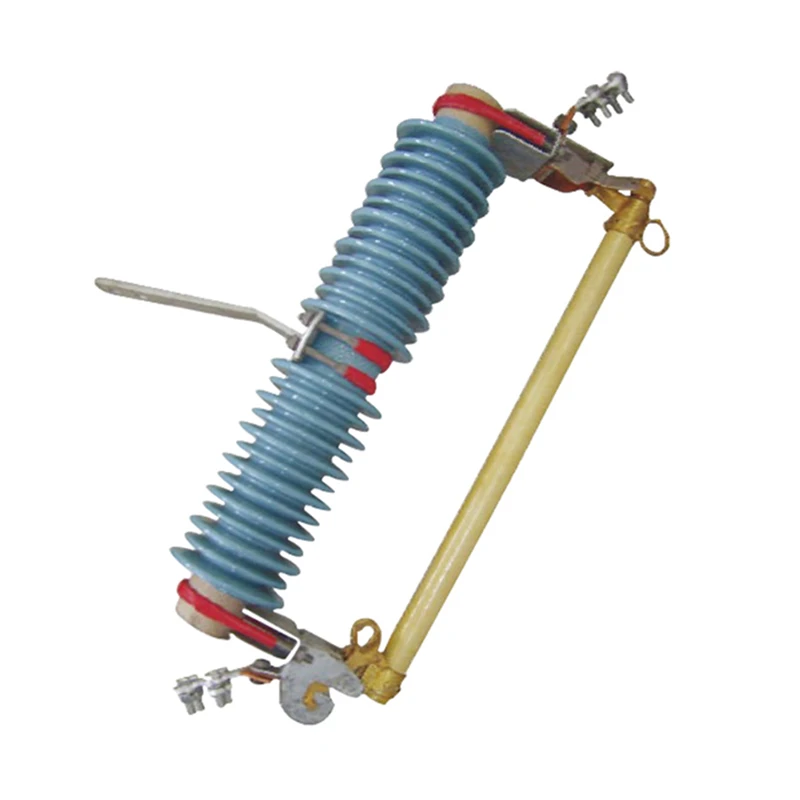
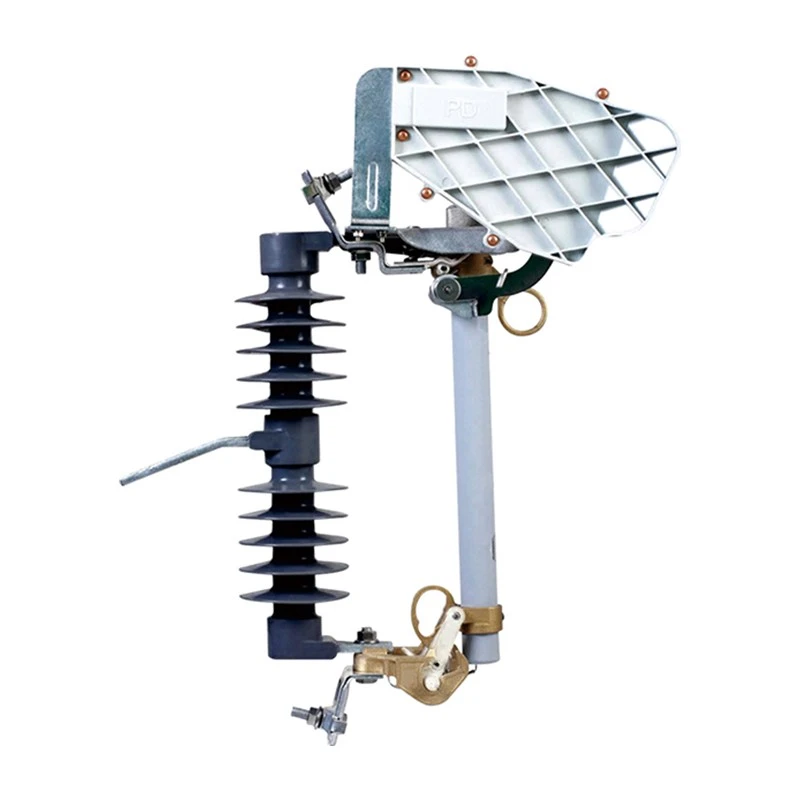
High-voltage fuses, however, are much larger and more complex. They need to have proper insulation to prevent electrical arcing, which can occur when high voltages try to jump across a gap. Many high-voltage fuses are enclosed in special insulating materials, such as ceramic or oil-filled enclosures. For instance, a High Voltage Ceramic Fuse uses ceramic as an insulator because of its excellent dielectric properties. The larger size also allows for better heat dissipation, as high-voltage circuits can generate a significant amount of heat.
Interrupting Capacity
Interrupting capacity is another key difference. This is the maximum amount of current that a fuse can safely interrupt without causing any damage or creating a hazardous situation. Low-voltage fuses generally have a lower interrupting capacity because they're designed to protect smaller circuits.
High-voltage fuses need to have a much higher interrupting capacity. In a power grid, for example, a fault can cause an extremely high short-circuit current. A high-voltage fuse must be able to quickly and safely interrupt this large current to protect the electrical system. Fuses like the Hv Hrc Fuse (High-Voltage High Rupturing Capacity Fuse) are designed specifically to handle high interrupting currents.
Voltage Drop
Voltage drop is the reduction in voltage that occurs as current flows through a component in a circuit. In low-voltage fuses, the voltage drop is relatively low because the resistance of the fuse element is designed to be small at low currents. This is important to ensure that the electrical equipment receives the proper voltage for normal operation.
In high-voltage fuses, the voltage drop is more of a concern. Since they're operating at much higher voltages, even a small percentage voltage drop can result in a significant amount of power loss. Manufacturers of high-voltage fuses carefully design the fuse elements to minimize the voltage drop while still providing the necessary overcurrent protection.
Application
The application of these two types of fuses is also quite different. Low-voltage fuses are everywhere in our daily lives. You'll find them in your cars, home electrical panels, and handheld electronic devices. They're inexpensive and easy to install and replace, making them ideal for general consumer use.
High-voltage fuses, as mentioned earlier, are mainly used in power systems and industrial applications. They're a critical part of the infrastructure that keeps our cities and industries running. For example, High Voltage Dc Fuse is commonly used in DC power systems, such as those in solar power plants and electric vehicle charging stations. High Voltage Cartridge Fuse are often used in high-voltage switchgear. And High Tension Fuse are used in high-voltage transmission lines to protect transformers and other equipment.
Cost
When it comes to cost, there's a clear difference. Low-voltage fuses are generally much cheaper. Their simple design and widespread production make them affordable for mass use in consumer products.
High-voltage fuses, on the other hand, are more expensive. The high-quality materials used for insulation, the complex design, and the strict manufacturing standards all contribute to the higher cost. However, considering their importance in protecting large-scale electrical systems, the investment is well worth it.
Maintenance and Replacement
Low-voltage fuses are relatively easy to maintain and replace. If a low-voltage fuse blows, you can usually just swap it out with a new one of the same rating. You don't need any special tools or training for most consumer applications.
High-voltage fuses are a different story. Replacing a high-voltage fuse requires specialized knowledge and equipment. Safety procedures are much more stringent because working with high voltages can be extremely dangerous. In some cases, the entire electrical system may need to be shut down to replace a high-voltage fuse safely.
In conclusion, while high-voltage fuses and low-voltage fuses share the same basic function of protecting circuits from overcurrent, they differ significantly in terms of operating voltage, physical design, interrupting capacity, voltage drop, application, cost, and maintenance. If you're in need of high-voltage fuses for your power system or industrial application, don't hesitate to reach out. We're here to help you find the right fuses to meet your specific requirements. Whether you need a High Voltage Ceramic Fuse, a Hv Hrc Fuse, or any other type of high-voltage fuse, our team can provide you with professional advice and top-quality products. Start a conversation with us and let's work together to ensure the safety and reliability of your electrical systems.
References
- Electrical Engineering Handbook (McGraw-Hill)
- Understanding Fuses and Their Applications (IEEE Publications)