

Low tension switchgear plays a crucial role in electrical power distribution systems, ensuring the safe and efficient control of electricity at low voltage levels. As a leading supplier of Low Tension Switchgear, I am well - versed in the main components that make up these essential systems. In this blog post, I will delve into the key elements of low tension switchgear, explaining their functions and importance.
Circuit Breakers
Circuit breakers are perhaps the most well - known component of low tension switchgear. They are designed to protect electrical circuits from damage caused by overcurrent, short - circuit, or overload conditions. When an abnormal current flows through the circuit, the circuit breaker automatically trips, interrupting the electrical flow and preventing further damage to equipment and potential hazards such as fires.
There are several types of circuit breakers used in low tension switchgear, including miniature circuit breakers (MCBs) and molded case circuit breakers (MCCBs). MCBs are typically used for protecting small electrical circuits in residential and light commercial applications. They are compact in size and can handle relatively low currents. MCCBs, on the other hand, are more robust and can handle higher currents. They are commonly used in industrial and commercial settings where larger electrical loads are present.
Contactors
Contactors are electromechanical devices used to control the flow of electric current in a circuit. They are often used in conjunction with motors, heaters, and other electrical loads. A contactor consists of a coil and a set of contacts. When the coil is energized, it creates a magnetic field that pulls the contacts together, closing the circuit and allowing current to flow. When the coil is de - energized, the contacts open, interrupting the current flow.
Contactors are designed to handle high - current switching operations and are available in various sizes and ratings. They provide a reliable and efficient way to control electrical equipment, and they can be remotely controlled, making them suitable for automation systems.
Relays
Relays are similar to contactors but are used for different purposes. While contactors are mainly used for power switching, relays are used for control and protection functions. A relay is an electromagnetic switch that uses a small control current to switch a larger load current.
There are many types of relays used in low tension switchgear, such as thermal relays, over - current relays, and under - voltage relays. Thermal relays are used to protect motors from overheating by monitoring the temperature of the motor windings. Over - current relays detect excessive current in a circuit and can trip the circuit breaker to protect the equipment. Under - voltage relays monitor the voltage level in a circuit and can disconnect the load if the voltage drops below a certain level.
Busbars
Busbars are conductive bars or strips that are used to distribute electrical power within the switchgear. They are made of copper or aluminum due to their high electrical conductivity. Busbars act as a common connection point for all the incoming and outgoing circuits in the switchgear, allowing for the efficient transfer of electrical power.
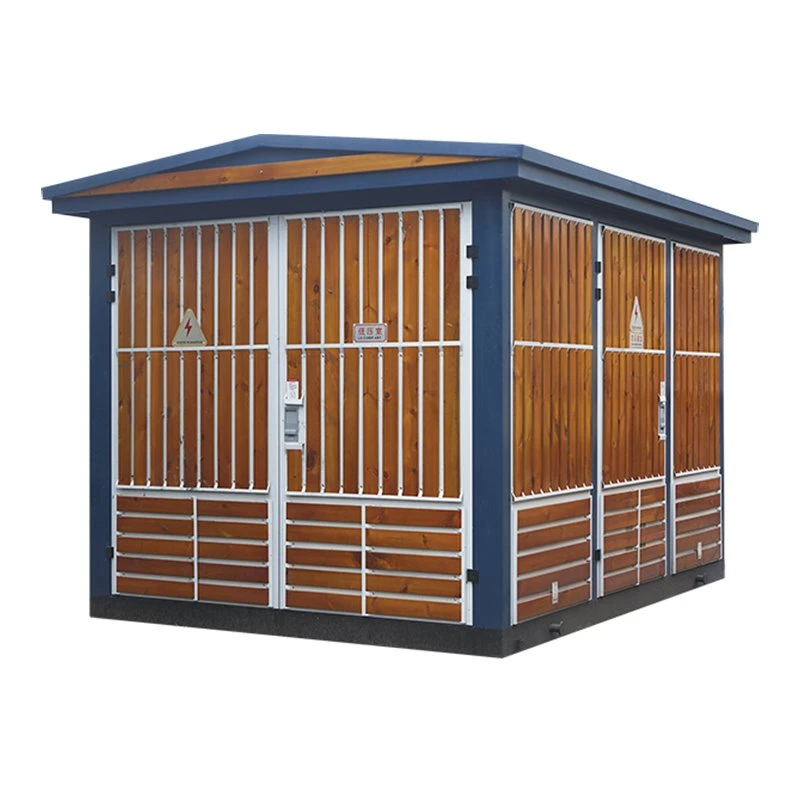
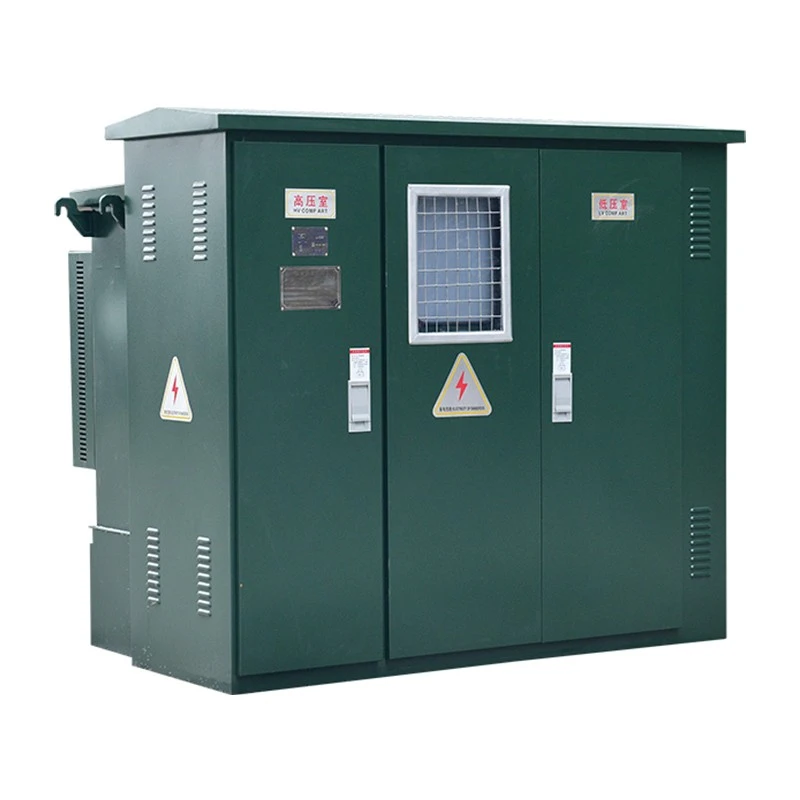
Proper busbar design is crucial to ensure the safe and reliable operation of the switchgear. The sizing of the busbars depends on the maximum current that will flow through them, as well as the ambient temperature and other environmental factors. Busbars are also insulated to prevent short - circuits and to ensure the safety of the personnel working on the switchgear.
Enclosures
The enclosure of low tension switchgear serves multiple purposes. First and foremost, it provides physical protection for the internal components, shielding them from dust, moisture, and mechanical damage. Second, it helps to prevent accidental contact with live parts, reducing the risk of electrical shock.
Enclosures are typically made of metal, such as steel or aluminum, and can be designed to meet different environmental and safety requirements. There are different types of enclosures, including open - type, sheet - metal - enclosed, and cast - resin - insulated enclosures. The choice of enclosure depends on the application and the specific needs of the customer.
Fuses
Fuses are another important component of low tension switchgear. They are designed to protect electrical circuits by melting and breaking the circuit when an excessive current flows through them. Fuses consist of a fuse element, which is usually made of a metal with a low melting point, and a fuse holder.
When a fault occurs in the circuit, the excessive current heats up the fuse element, causing it to melt and break the circuit. Fuses are simple, reliable, and cost - effective protection devices. However, once a fuse has blown, it needs to be replaced, which can be a drawback in some applications.
Instrument Transformers
Instrument transformers are used to measure electrical quantities such as voltage and current in the switchgear. There are two main types of instrument transformers: current transformers (CTs) and voltage transformers (VTs).
Current transformers are used to step down the high - current in a circuit to a lower, measurable value. They are connected in series with the circuit and are used to supply current to measuring instruments, relays, and other control devices. Voltage transformers, on the other hand, are used to step down the high - voltage in a circuit to a lower, safe value for measurement and control purposes. They are connected in parallel with the circuit.
Control and Protection Panels
Control and protection panels are the nerve center of low tension switchgear. They house the control devices, such as switches, buttons, and indicators, as well as the protection relays. The control panel allows the operator to start, stop, and monitor the operation of the switchgear and the connected electrical equipment.
The protection panel, on the other hand, continuously monitors the electrical parameters of the circuit and takes appropriate action in case of a fault. It can trip the circuit breaker, send an alarm signal, or perform other protective functions to ensure the safety and reliability of the electrical system.
Importance of Quality Components
As a Low Tension Switchgear supplier, I understand the importance of using high - quality components in our products. The performance and reliability of the switchgear depend largely on the quality of its individual components. Inferior components can lead to frequent breakdowns, increased maintenance costs, and even safety hazards.
That's why we source our components from reputable manufacturers and subject them to rigorous quality control tests before they are used in our switchgear. We also ensure that our switchgear is designed and manufactured in accordance with international standards and regulations to provide the highest level of safety and performance.
Related Products
In addition to low tension switchgear, we also offer a range of related products such as Extensible Ring Main Unit, Gas Insulated Medium Voltage Switchgear, Box Type Substation, and High Voltage Gear. These products are designed to work together to provide a comprehensive electrical power distribution solution.
Contact for Procurement
If you are in the market for high - quality low tension switchgear or any of our related products, we would be more than happy to discuss your requirements. Our team of experts can provide you with detailed product information, technical support, and competitive pricing. Whether you are a small business looking for a simple switchgear solution or a large industrial enterprise in need of a complex power distribution system, we have the expertise and the products to meet your needs.
References
- "Electrical Power Distribution Handbook" by Dugan, McGranaghan, and Beaty.
- "Switchgear Handbook" by various industry experts.
- International Electrotechnical Commission (IEC) standards related to low tension switchgear.