

Well, folks! As a supplier of High Voltage Load Switch, I get asked a ton about the safety distance needed for installing these bad boys. It's a super important topic, so let's dig in and break it down.
First off, what exactly is a high voltage load switch? It's a key piece of equipment in power systems. It can make, break, and carry nominal currents and certain overload currents. You can find it in various applications, from distribution networks to industrial power systems. We also offer Medium Voltage Load Break Switch, Power Load Switch, High Current Load Switch, and Dc Load Switch to meet different needs.
Now, let's talk about the safety distance. Why is it so crucial? Well, high voltage is no joke. If the safety distance isn't right, it can lead to all sorts of problems, like electrical breakdown, arcing, and even pose a serious threat to people and equipment nearby.
The safety distance for high voltage load switch installation depends on several factors. One of the main ones is the voltage level. Higher voltage means you need a greater safety distance. For example, in a low - voltage system, you might be able to get away with a relatively small distance, but as the voltage goes up into the high - voltage range, things change.
Let's take a look at some common voltage levels and their corresponding safety distances. For high - voltage systems around 10 kV, the safety distance typically ranges from about 0.7 to 1 meter. This gives enough room to prevent accidental contact and reduce the risk of electrical discharge. But as we move up to 35 kV, the safety distance increases to around 1 to 1.5 meters. And for even higher voltages like 110 kV or 220 kV, we're talking about distances of 1.5 to 3 meters or more.
Another factor that affects the safety distance is the environment. If the installation is in a clean and dry area, the safety distance requirements might be a bit more lenient. But in a wet, dirty, or dusty environment, the risk of electrical breakdown is higher, so you'll need to increase the safety distance. For instance, in a coastal area where there's a lot of salt in the air or in an industrial area with a lot of pollutants, the safety distance should be enlarged to account for the increased risk of insulation degradation.
The type of installation also plays a role. If it's an indoor installation, the space is often more limited, but the environment is usually more controlled. In this case, the safety distance can be designed according to the specific layout and protection measures of the indoor space. On the other hand, outdoor installations need to consider factors like weather conditions, wildlife, and access by unauthorized personnel. So, the safety distance for outdoor high voltage load switch installations is generally larger.
When it comes to determining the exact safety distance, it's best to follow the relevant national and international standards. For example, in the United States, the National Electrical Safety Code (NESC) provides detailed guidelines on safety distances for electrical equipment, including high voltage load switches. In Europe, the International Electrotechnical Commission (IEC) standards are widely followed.
We, as a high - voltage load switch supplier, always emphasize the importance of following these standards. We provide our customers with all the necessary information about the safety distance requirements for our products. Our technical team is also available to offer on - site consultation and support to ensure that the installation is done safely and correctly.
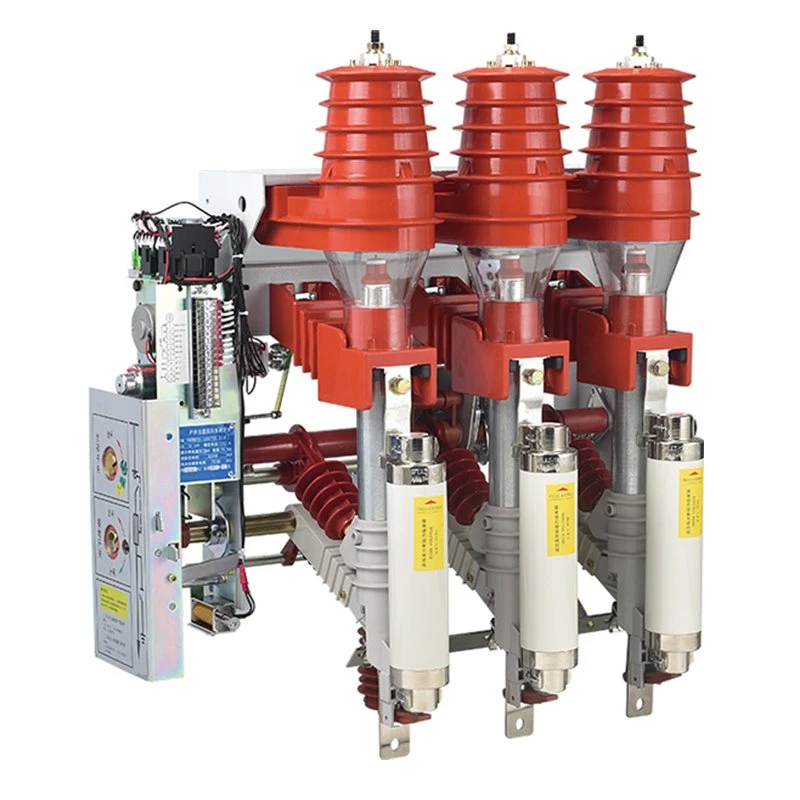
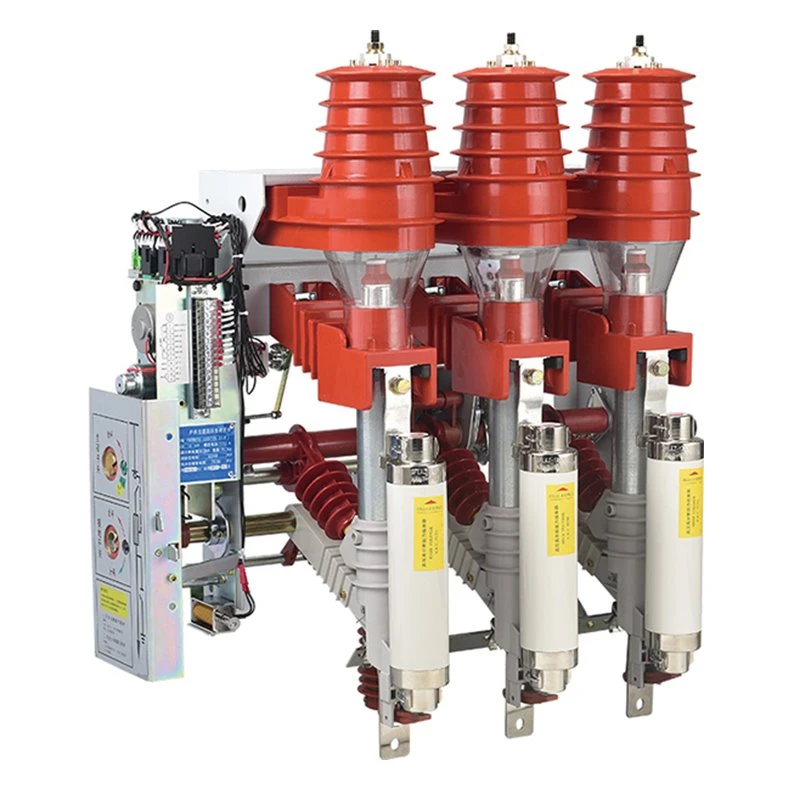
Now, let's think about the practical aspects of maintaining the safety distance. During the installation process, it's essential to have clear markings and barriers. Markings can indicate the safe area around the high voltage load switch, and barriers can prevent accidental entry into this area. For example, you can use warning signs and fences to keep people and objects at a safe distance.
Regular inspections are also crucial. Over time, the environment around the installation can change. There might be new structures or vegetation growing too close to the switch. Inspections can help identify these issues early and take corrective actions to maintain the required safety distance.
If you're in the process of planning a high voltage load switch installation, don't hesitate to reach out to us. We have a wide range of high - quality High Voltage Load Switch products that meet all the relevant safety standards. Our team of experts can help you determine the exact safety distance based on your specific situation, whether it's a small - scale industrial project or a large - scale power distribution network.
We understand that every project is unique, and we're committed to providing customized solutions. Whether you're interested in our Medium Voltage Load Break Switch, Power Load Switch, High Current Load Switch, or Dc Load Switch, we can offer you the best advice and products.
So, if you're looking for a reliable high voltage load switch supplier and need help with installation safety, just get in touch with us. We're here to make your power project a success!
References:
- National Electrical Safety Code (NESC)
- International Electrotechnical Commission (IEC) standards