

In the dynamic realm of electrical systems, the reliability of a load switch stands as a cornerstone for seamless operation. As a trusted load switch supplier, I delve into the intricacies of enhancing this reliability, exploring various aspects from design and material selection to maintenance and technological advancements.
Understanding the Basics of Load Switches
Before delving into the strategies for improving reliability, it's crucial to understand what a load switch is and its role in electrical circuits. Load switches are devices used to connect or disconnect electrical loads from a power source. They are essential in a wide range of applications, from consumer electronics to industrial power systems. The reliability of these switches directly impacts the performance and safety of the entire electrical setup.
Design Considerations
Robust Circuit Design: A well - designed circuit is the foundation of a reliable load switch. This involves optimizing the layout of components to minimize electromagnetic interference (EMI) and reduce the risk of short circuits. Additionally, the design should account for the maximum load the switch will handle, ensuring that it can operate safely under normal and abnormal conditions.
Thermal Management: Heat is one of the primary enemies of electronic components, including load switches. Excessive heat can cause components to degrade over time, leading to reduced reliability. Effective thermal management techniques, such as heat sinks and proper ventilation, should be incorporated into the design. This helps to dissipate heat and maintain the switch's performance within the acceptable temperature range.
Material Selection
High - Quality Conductive Materials: The choice of conductive materials significantly affects the reliability of a load switch. Materials with high conductivity, such as copper and aluminum, should be used for the contacts. These materials ensure low resistance, minimizing power losses and heat generation. Additionally, they should have good corrosion resistance to prevent the formation of oxide layers that can increase resistance over time.
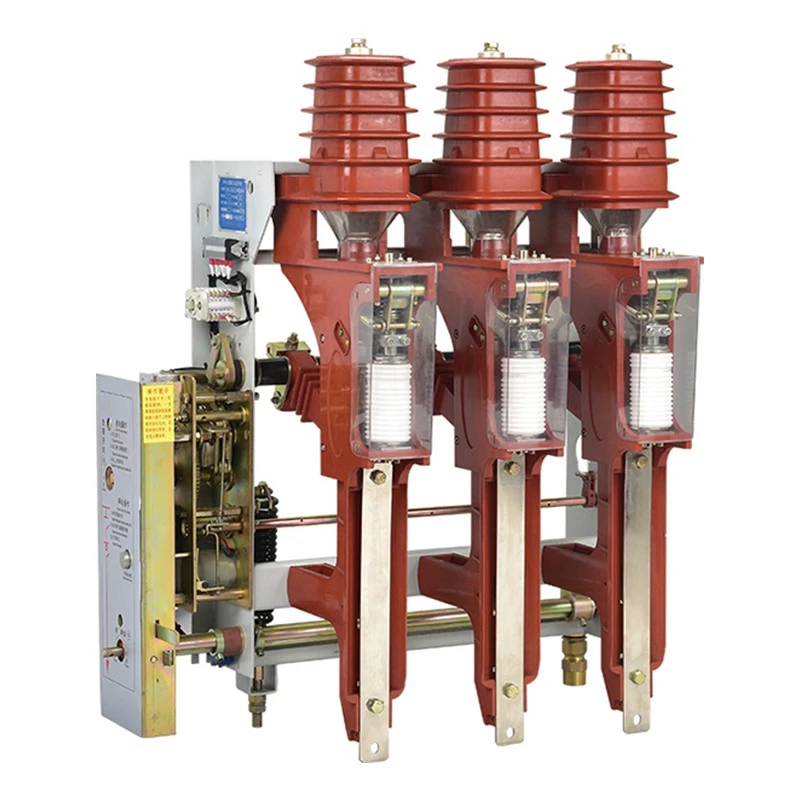
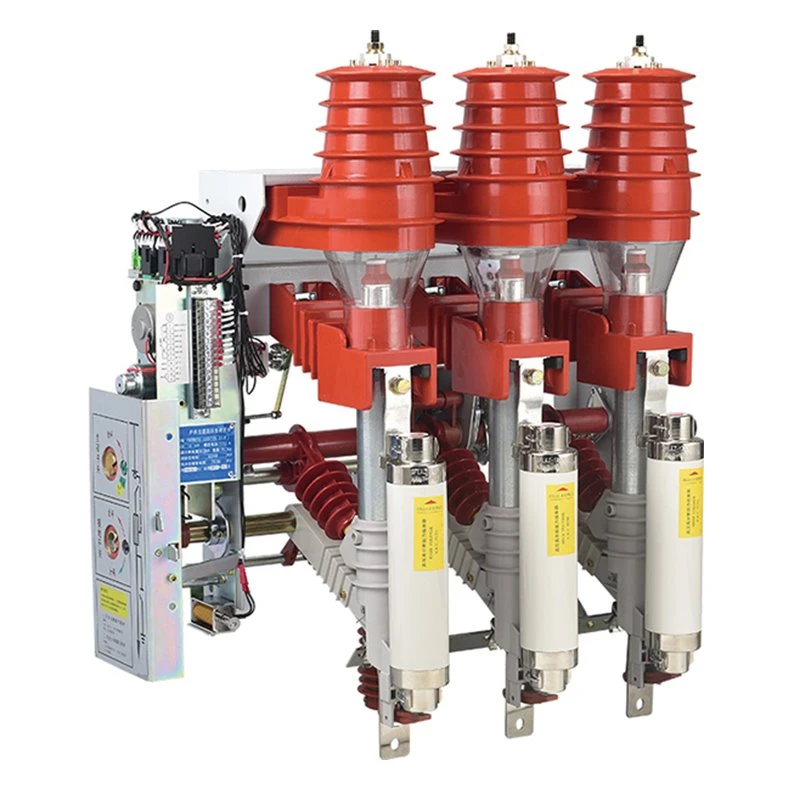
Durable Insulating Materials: Insulating materials play a crucial role in preventing electrical leakage and short circuits. High - quality insulators, such as ceramic or high - grade plastics, should be selected to provide reliable electrical isolation. These materials should also have good mechanical strength to withstand the stresses associated with normal operation.
Manufacturing Processes
Precision Manufacturing: The manufacturing process of load switches must be precise to ensure consistent quality. Advanced machining techniques, such as computer - numerical - control (CNC) machining, can be used to produce components with high accuracy. This helps to ensure proper alignment of contacts and other critical parts, reducing the risk of malfunction.
Quality Control: Rigorous quality control measures should be in place throughout the manufacturing process. This includes testing each load switch for electrical performance, insulation resistance, and mechanical durability. Any defective switches should be identified and removed from the production line to ensure that only reliable products reach the market.
Maintenance and Monitoring
Regular Maintenance: Regular maintenance is essential for ensuring the long - term reliability of load switches. This includes cleaning the contacts to remove dirt and debris, checking for loose connections, and inspecting the insulation for signs of damage. Maintenance schedules should be established based on the operating conditions and the manufacturer's recommendations.
Condition Monitoring: Implementing condition - monitoring techniques can help to detect potential problems before they cause a failure. This can involve monitoring parameters such as temperature, current, and voltage. By analyzing these data, it is possible to identify trends that may indicate a developing issue, allowing for timely intervention.
Technological Advancements
Smart Load Switches: The development of smart load switches has revolutionized the field. These switches are equipped with sensors and microcontrollers that can monitor their own performance and diagnose problems in real - time. They can also communicate with other devices in the electrical system, enabling remote control and optimization. To learn more about different types of load switches, you can visit the following links: High Voltage Load Switch, Ac Load Switch, Medium Voltage Load Break Switch, Power Load Switch, High Current Load Switch.
Fault - Tolerant Design: Fault - tolerant design techniques aim to ensure that the load switch can continue to operate even in the presence of a fault. This can involve using redundant components or employing self - healing technologies. For example, some load switches are designed to automatically isolate a faulty section and reroute the current to maintain the electrical supply.
Importance of Reliability in Different Applications
Industrial Applications: In industrial settings, load switches are used in a wide range of machinery and equipment. A single failure of a load switch can lead to costly downtime, production losses, and even safety hazards. Therefore, high reliability is of utmost importance to ensure the smooth operation of industrial processes.
Residential Applications: In residential applications, load switches are used in electrical panels, appliances, and lighting systems. A reliable load switch ensures the safety and comfort of homeowners, preventing electrical fires and other hazards.
Collaboration with Customers
As a load switch supplier, we understand that each customer has unique requirements. We work closely with our customers to understand their specific needs and provide customized solutions. By collaborating with customers, we can design and manufacture load switches that are tailored to their applications, ensuring the highest level of reliability.
Call to Action
If you are looking for reliable load switches for your electrical systems, we are here to help. Our team of experts is ready to provide you with the best solutions based on your requirements. Whether you need a High Voltage Load Switch for an industrial application or an Ac Load Switch for a residential project, we have the expertise and the products to meet your needs. Contact us today to start a conversation about how we can improve the reliability of your electrical systems with our high - quality load switches.
References
- Grover, A. K. (2012). Electric Machinery. Tata McGraw - Hill Education.
- Dorf, R. C., & Bishop, R. H. (2016). Modern Control Systems. Pearson.
- Horowitz, P., & Hill, W. (2015). The Art of Electronics. Cambridge University Press.