
As a seasoned supplier of High Voltage Cartridge Fuses, I am well - versed in the intricacies of these essential electrical components. In this blog, we will explore the various dimensions of High Voltage Cartridge Fuses, which are crucial for their proper application, performance, and compatibility in different electrical systems.
Physical Dimensions
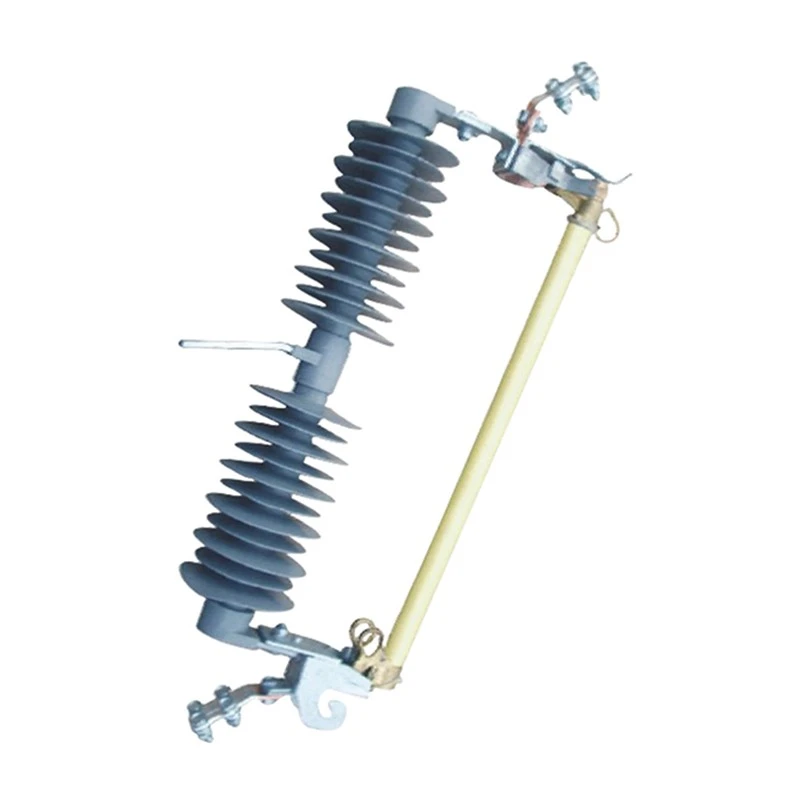
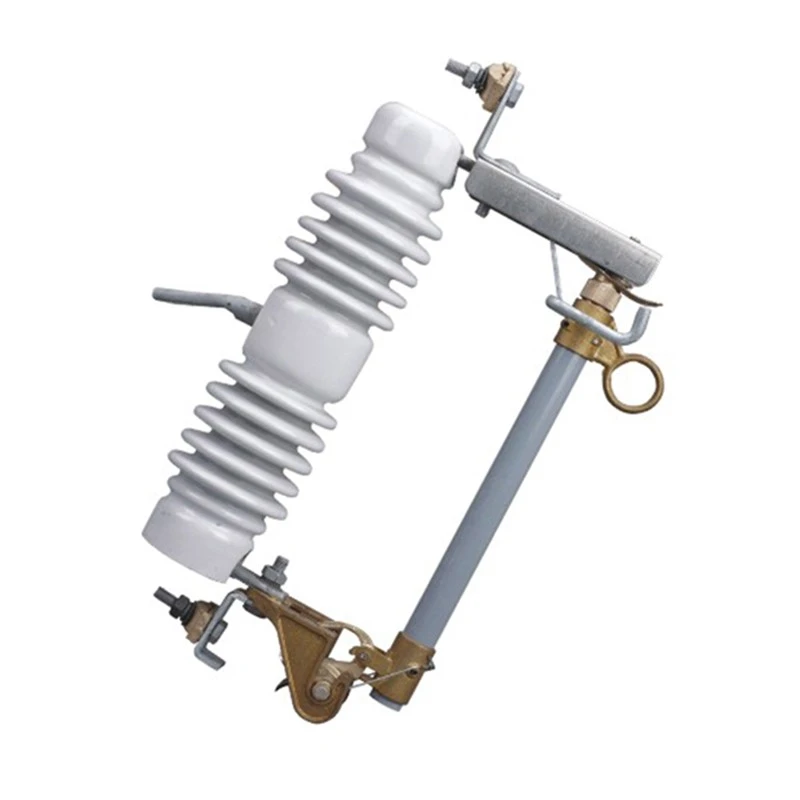
The physical dimensions of High Voltage Cartridge Fuses play a fundamental role in their installation and use. These fuses are designed in a cartridge form, which typically consists of a cylindrical body. The length of the fuse cartridge can vary significantly depending on its voltage rating and current - carrying capacity. For example, fuses with higher voltage ratings often have longer cartridges to provide sufficient insulation distance between the terminals.
The diameter of the cartridge is also an important physical dimension. A larger diameter may be necessary to accommodate the internal components, such as the fuse element and the filler material. The filler material, usually quartz sand, is used to extinguish the arc that forms when the fuse blows. The size of the cartridge must be carefully engineered to ensure that the filler is present in the right quantity and distribution to effectively quench the arc.
Electrical Dimensions
Voltage Rating
The voltage rating is one of the most critical electrical dimensions of a High Voltage Cartridge Fuse. It indicates the maximum voltage that the fuse can safely interrupt without arcing over or causing damage to itself or the surrounding equipment. High Voltage Cartridge Fuses can have voltage ratings ranging from a few kilovolts to several hundred kilovolts. Selecting a fuse with the appropriate voltage rating is essential to prevent electrical failures and ensure the safety of the electrical system. For instance, using a fuse with a voltage rating lower than the system voltage can lead to premature failure and potentially dangerous situations.
At [our company], we offer a wide range of High Voltage Cartridge Fuses with different voltage ratings to meet the diverse needs of our customers. Whether you are working on a small - scale industrial project or a large - scale power grid, we have the right fuse for your application. To learn more about our voltage - rated fuses, visit our High Voltage Cartridge Fuse page.
Current Rating
The current rating of a High Voltage Cartridge Fuse determines the maximum amount of current that the fuse can carry continuously without blowing. It is selected based on the normal operating current of the circuit in which the fuse will be installed, with some allowance for occasional over - currents. When the current flowing through the fuse exceeds its rated value for a certain period, the fuse element heats up and melts, interrupting the circuit and protecting the equipment from damage.
Different applications require different current ratings. For example, a high - power electrical transformer may require a fuse with a higher current rating compared to a small - scale electronic device. As a supplier, we can assist you in choosing the appropriate current - rated fuse for your specific application. Our team of experts has in - depth knowledge of various electrical systems and can provide you with the best advice.
Breaking Capacity
Breaking capacity, also known as interrupting rating, is another important electrical dimension. It represents the maximum fault current that the fuse can safely interrupt without causing excessive damage or creating a hazardous situation. High - voltage electrical systems can experience large fault currents, especially during short - circuits. A fuse with a low breaking capacity may not be able to interrupt these high currents, leading to serious damage to the equipment and even posing a risk to personnel.
Our High Voltage Cartridge Fuses are designed with high breaking capacities to ensure reliable protection in high - fault - current situations. We offer a variety of fuses with different breaking capacities to suit different electrical environments. If you are interested in learning more about high - capacity fuses, check out our High Tension Fuse product page.
Thermal Dimensions
Heat dissipation is a significant aspect when it comes to High Voltage Cartridge Fuses. During normal operation, the fuse element generates heat due to the flow of current. If this heat is not dissipated effectively, it can cause the temperature of the fuse to rise, which may lead to premature aging of the fuse element or even cause the fuse to blow under normal operating conditions.
The thermal design of the fuse cartridge takes into account factors such as the material of the cartridge body, the surface area available for heat transfer, and the presence of any cooling fins. The filler material also plays a role in heat dissipation. Quartz sand, for example, has good thermal conductivity, which helps in transferring heat away from the fuse element.
Environmental Dimensions
High Voltage Cartridge Fuses are often used in various environmental conditions. They may be exposed to high or low temperatures, humidity, dust, and corrosive substances. Therefore, the environmental dimensions of these fuses are of great importance.
Temperature Range
Fuses are designed to operate within a specific temperature range. Extreme temperatures can affect the performance of the fuse element and the insulation materials. For example, at very low temperatures, the fuse element may become more brittle, increasing the risk of breakage. At high temperatures, the insulation materials may degrade, reducing the electrical insulation properties.
Our fuses are engineered to withstand a wide range of temperatures. We offer fuses that can operate in both extremely cold and hot environments, ensuring reliable performance regardless of the climate. To find out more about our temperature - resistant fuses, visit our High Voltage Ceramic Fuse page.
Humidity and Corrosion
Humidity and corrosive substances can cause damage to the fuse components over time. Moisture can penetrate the cartridge and cause corrosion of the fuse element and the terminals. This can lead to an increase in resistance, which in turn can cause the fuse to overheat and fail.
To protect against humidity and corrosion, our High Voltage Cartridge Fuses are coated with special materials and are designed with sealed cartridges. These measures help to prevent the ingress of moisture and corrosive agents, extending the lifespan of the fuse.
Compatibility Dimensions
In an electrical system, High Voltage Cartridge Fuses need to be compatible with other components such as switches, circuit breakers, and transformers. Compatibility includes electrical compatibility, mechanical compatibility, and thermal compatibility.
Electrical Compatibility
The electrical characteristics of the fuse, such as its voltage rating, current rating, and breaking capacity, must be compatible with the electrical characteristics of the other components in the circuit. For example, the voltage rating of the fuse should be equal to or higher than the voltage rating of the other components to ensure proper operation.
Mechanical Compatibility
The physical dimensions of the fuse must allow for easy installation and connection with other components. The terminals of the fuse should be compatible with the connection methods used in the electrical system, such as screw - type or clamp - type connections.
Thermal Compatibility
The heat generated by the fuse should not cause overheating of the adjacent components. Similarly, the heat dissipation requirements of the fuse and other components in the vicinity should be considered to ensure that the overall thermal environment of the electrical system is stable.
Conclusion
Understanding the dimensions of High Voltage Cartridge Fuses is essential for their proper selection and use in electrical systems. From physical and electrical dimensions to thermal, environmental, and compatibility dimensions, each aspect plays a crucial role in the performance and reliability of the fuse.
As a leading supplier of High Voltage Cartridge Fuses, we are committed to providing our customers with high - quality products that meet the highest standards. Our extensive range of fuses, including High Voltage Dc Fuse and Hv Hrc Fuse, is designed to meet the diverse needs of different industries.
If you are in the market for High Voltage Cartridge Fuses or have any questions about their dimensions and applications, we encourage you to contact us for a detailed discussion. Our team of experts is ready to assist you in finding the perfect fuse solution for your specific requirements.
References
- Electrical Fuse Handbook, published by a leading electrical engineering association
- Technical papers on high - voltage fuse technology from international conferences
- Manufacturer's specifications for various High Voltage Cartridge Fuses