

In the realm of power systems, high-voltage circuit breakers play a pivotal role in protecting equipment and ensuring the safe and stable operation of the grid. However, these essential devices can generate significant electromagnetic interference (EMI), which may disrupt nearby electronic equipment and communication systems. As a high-voltage circuit breaker supplier, we understand the challenges posed by EMI and are committed to providing effective solutions to mitigate its impact. In this blog post, we will delve into the causes of electromagnetic interference in high-voltage circuit breakers and explore practical strategies to reduce it.
Understanding Electromagnetic Interference in High-Voltage Circuit Breakers
Electromagnetic interference is the unwanted disturbance that affects the performance of electronic devices due to electromagnetic radiation or conduction. In high-voltage circuit breakers, EMI can be generated during the switching process, which involves the rapid interruption and reestablishment of electrical currents. When the contacts of a circuit breaker open or close, an arc is formed, which generates intense electromagnetic fields. These fields can radiate into the surrounding environment or couple onto nearby conductors, causing interference with other electrical and electronic equipment.
There are two main types of electromagnetic interference: radiated interference and conducted interference. Radiated interference is the electromagnetic energy that is emitted into the air in the form of electromagnetic waves. This type of interference can travel long distances and affect sensitive equipment that is located in the vicinity of the circuit breaker. Conducted interference, on the other hand, is the electromagnetic energy that is transmitted through electrical conductors, such as power lines and signal cables. Conducted interference can cause problems in connected equipment by inducing unwanted voltages and currents.
Causes of Electromagnetic Interference in High-Voltage Circuit Breakers
Several factors contribute to the generation of electromagnetic interference in high-voltage circuit breakers. Understanding these factors is essential for developing effective mitigation strategies.
- Arc Discharge: When the contacts of a circuit breaker open, an arc is formed between them. The arc is a high-temperature, high-current electrical discharge that generates intense electromagnetic fields. The frequency and amplitude of these fields depend on the characteristics of the arc, such as its length, current, and voltage.
- Switching Transients: The rapid switching of high voltages and currents in a circuit breaker can cause transient electromagnetic fields. These fields can be very strong and can last for a short period of time. Switching transients can occur during the opening and closing of the circuit breaker contacts, as well as during the interruption of fault currents.
- Capacitive and Inductive Coupling: High-voltage circuit breakers are often located in close proximity to other electrical and electronic equipment. The electromagnetic fields generated by the circuit breaker can couple onto nearby conductors through capacitive and inductive coupling mechanisms. Capacitive coupling occurs when the electric field of the circuit breaker induces a voltage on a nearby conductor. Inductive coupling occurs when the magnetic field of the circuit breaker induces a current in a nearby conductor.
- Grounding Issues: Improper grounding of the circuit breaker and associated equipment can also contribute to electromagnetic interference. A poor grounding system can cause the buildup of static charges and the flow of unwanted currents, which can generate electromagnetic fields.
Strategies to Reduce Electromagnetic Interference
As a high-voltage circuit breaker supplier, we offer a range of solutions to reduce electromagnetic interference. These solutions are based on our extensive experience and expertise in the design and manufacture of high-voltage circuit breakers.
Electrical Design Optimization
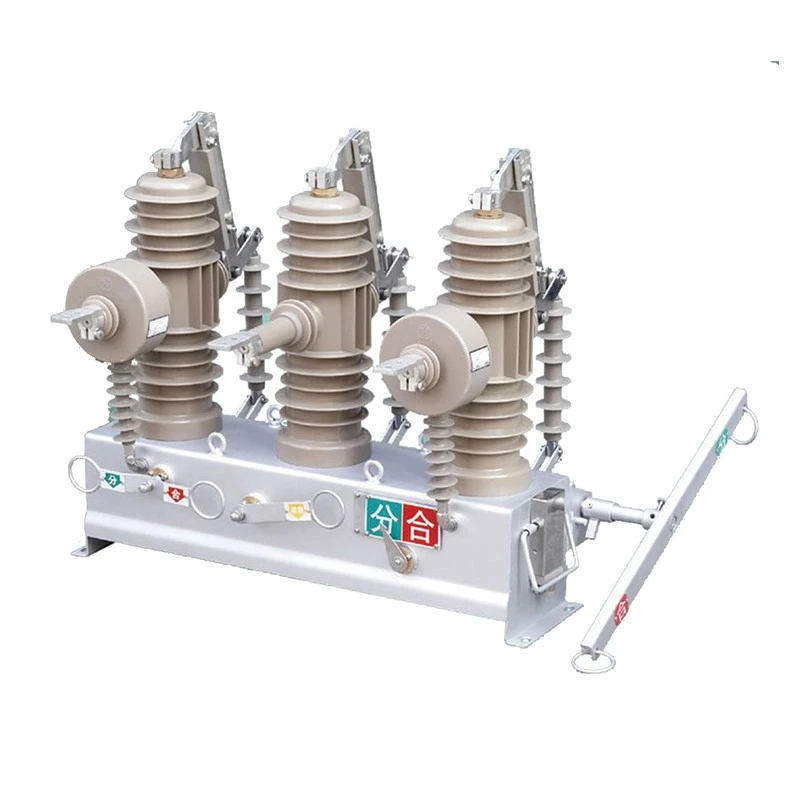
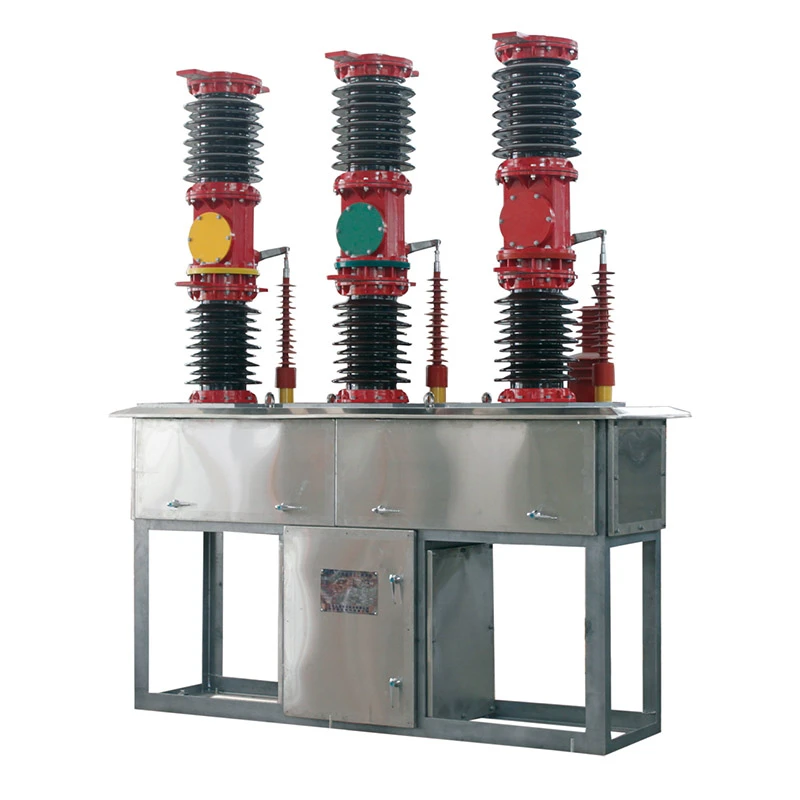
- Arc Suppression: One of the most effective ways to reduce electromagnetic interference is to suppress the arc that is formed during the switching process. This can be achieved by using advanced arc quenching techniques, such as vacuum interrupters or SF6 gas. Indoor High Voltage Vacuum Circuit Breaker and Outdoor High Voltage Vacuum Circuit Breaker use vacuum interrupters, which provide excellent arc quenching performance and reduce electromagnetic interference.
- Filtering: Filters can be used to suppress conducted interference by attenuating unwanted frequencies. Low-pass filters can be installed on the power lines and signal cables connected to the circuit breaker to block high-frequency interference. High-pass filters can be used to block low-frequency interference.
- Shielding: Shielding is a technique used to reduce radiated interference by enclosing the circuit breaker or the affected equipment in a conductive enclosure. The enclosure acts as a Faraday cage, which blocks the electromagnetic fields from entering or leaving the enclosed space.
Grounding and Bonding
- Proper Grounding: A good grounding system is essential for reducing electromagnetic interference. The circuit breaker and associated equipment should be grounded to a low-impedance ground point. This helps to dissipate the static charges and unwanted currents, which can reduce the generation of electromagnetic fields.
- Bonding: Bonding is the process of connecting all metal components of the circuit breaker and associated equipment together to form a single electrical conductor. This helps to reduce the potential differences between the components and prevent the flow of unwanted currents, which can cause electromagnetic interference.
Installation and Layout
- Distance and Separation: The circuit breaker should be installed at a sufficient distance from sensitive electronic equipment and communication systems to reduce the impact of electromagnetic interference. Separation between power lines and signal cables can also help to reduce capacitive and inductive coupling.
- Cable Routing: Proper cable routing can help to reduce electromagnetic interference. Power cables and signal cables should be routed separately to minimize the coupling between them. Shielded cables can also be used to reduce radiated and conducted interference.
Other Considerations
- Maintenance: Regular maintenance of the high-voltage circuit breaker is essential to ensure its proper operation and reduce electromagnetic interference. This includes checking the contacts, lubricating moving parts, and testing the insulation.
- Compliance with Standards: The high-voltage circuit breakers should comply with relevant international and national standards for electromagnetic compatibility (EMC). These standards specify the limits for electromagnetic interference and the test methods to ensure compliance.
Conclusion
Electromagnetic interference in high-voltage circuit breakers can pose significant challenges to the performance and reliability of power systems and electronic equipment. As a high-voltage circuit breaker supplier, we are dedicated to providing high-quality products and solutions to reduce electromagnetic interference. By implementing the strategies discussed in this blog post, such as electrical design optimization, proper grounding and bonding, and careful installation and layout, the impact of electromagnetic interference can be effectively minimized.
If you are looking for high-voltage circuit breakers that offer low electromagnetic interference and excellent performance, we are here to help. Our products, including High Voltage Dc Breaker, High Voltage Ac Circuit Breakers, and High Voltage Air Circuit Breaker, are designed to meet the highest standards of quality and reliability. Contact us today to discuss your requirements and explore how our high-voltage circuit breakers can enhance the performance of your power system.
References
- Grover, H. O. (1972). "Inductance Calculations: Working Formulas and Tables." Dover Publications.
- Hippel, A. R. van (1954). "Dielectrics and Waves." John Wiley & Sons.
- Radu, V., & Popa, D. (2014). "Electromagnetic Compatibility in Power Systems." CRC Press.