

In the dynamic realm of electrical engineering, high-voltage circuit breakers stand as stalwarts, safeguarding power systems from overloads and short circuits. These critical devices interrupt the flow of electrical current when abnormal conditions arise, preventing damage to equipment and ensuring the reliability of the power grid. Among the various types of high-voltage circuit breakers, some possess a remarkable feature known as self-healing ability. In this blog, as a high-voltage circuit breaker supplier, I will delve into what the self-healing ability of some high-voltage circuit breakers entails, its significance, and the technologies behind it.
Understanding Self-Healing Ability in High-Voltage Circuit Breakers
The self-healing ability of high-voltage circuit breakers refers to their capacity to recover from certain types of faults or disturbances without the need for extensive manual intervention or replacement of components. This feature is particularly valuable in power systems, where downtime can have far-reaching consequences, including economic losses and disruptions to essential services.
In traditional circuit breakers, a fault often requires the breaker to be taken out of service, inspected, and potentially repaired or replaced. However, self-healing circuit breakers can automatically detect and isolate the fault, and then restore normal operation once the fault condition has been cleared. This not only reduces the time required for maintenance but also enhances the overall reliability and resilience of the power system.
Significance of Self-Healing Ability
Enhanced Reliability
One of the primary benefits of the self-healing ability in high-voltage circuit breakers is the significant improvement in system reliability. By quickly detecting and isolating faults, these circuit breakers can prevent the spread of damage to other components in the power system. This reduces the likelihood of widespread power outages and ensures a more stable supply of electricity to consumers.
Reduced Maintenance Costs
Self-healing circuit breakers can also lead to substantial cost savings in terms of maintenance. Since they can automatically recover from certain faults, there is less need for frequent manual inspections and repairs. This not only reduces labor costs but also minimizes the downtime associated with maintenance activities, resulting in increased productivity and efficiency.
Improved Resilience
In modern power systems, which are increasingly facing challenges such as extreme weather events and cyber threats, the self-healing ability of circuit breakers plays a crucial role in enhancing the overall resilience of the grid. By automatically adapting to changing conditions and recovering from faults, these circuit breakers can help ensure the continuous operation of the power system even in the face of unexpected disturbances.
Technologies Enabling Self-Healing Ability
Intelligent Monitoring Systems
At the heart of the self-healing ability in high-voltage circuit breakers are intelligent monitoring systems. These systems use advanced sensors and algorithms to continuously monitor the operating conditions of the circuit breaker, including parameters such as current, voltage, temperature, and pressure. By analyzing this data in real-time, the monitoring system can detect the onset of a fault and take appropriate action to isolate it before it causes significant damage.
Fault Detection and Isolation Algorithms
Once a fault is detected, self-healing circuit breakers rely on sophisticated fault detection and isolation algorithms to determine the location and nature of the fault. These algorithms use a combination of electrical and mechanical measurements to identify the faulty section of the circuit and isolate it from the rest of the system. This is typically achieved by opening the appropriate contacts in the circuit breaker, thereby interrupting the flow of current to the faulty area.
Automatic Reclosing Mechanisms
Another key technology enabling the self-healing ability of high-voltage circuit breakers is the automatic reclosing mechanism. In many cases, faults in power systems are temporary, such as those caused by lightning strikes or momentary short circuits. Automatic reclosing mechanisms allow the circuit breaker to automatically close the contacts after a short delay following the interruption of the fault current. This gives the system a chance to clear the temporary fault and restore normal operation without the need for manual intervention.
Types of High-Voltage Circuit Breakers with Self-Healing Ability
Outdoor High Voltage Vacuum Circuit Breaker
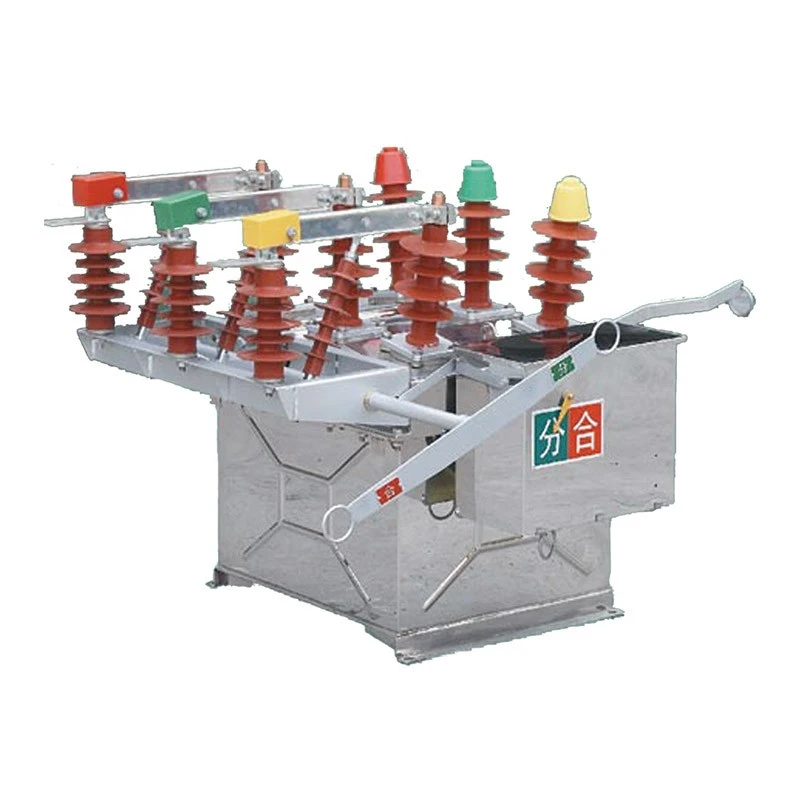
Outdoor High Voltage Vacuum Circuit Breaker are widely used in outdoor power systems due to their excellent insulation properties and high breaking capacity. These circuit breakers are equipped with self-healing features that allow them to quickly recover from temporary faults, such as those caused by environmental factors. The vacuum interrupters used in these circuit breakers have a high dielectric strength and can extinguish the arc quickly, making them suitable for applications where reliable operation is essential.
High Voltage Dc Breaker
High Voltage Dc Breaker are designed to interrupt the flow of direct current in high-voltage DC power systems. These circuit breakers face unique challenges compared to their AC counterparts, such as the need to extinguish the arc in the absence of a natural zero-crossing of the current. Self-healing high-voltage DC breakers use advanced technologies, such as passive resonant circuits and active commutation methods, to detect and isolate faults and restore normal operation.
High Tension Circuit Breaker
High Tension Circuit Breaker, also known as high-voltage circuit breakers, are used in high-voltage transmission and distribution networks. These circuit breakers are designed to handle high currents and voltages and are critical for the safe and reliable operation of the power grid. Self-healing high tension circuit breakers use advanced monitoring and control systems to detect and respond to faults in real-time, reducing the risk of power outages and equipment damage.
High Voltage Vacuum Circuit Breaker
High Voltage Vacuum Circuit Breaker are known for their compact size, long service life, and low maintenance requirements. These circuit breakers use a vacuum as the insulating and arc-quenching medium, which provides excellent performance and reliability. Self-healing high voltage vacuum circuit breakers are equipped with intelligent monitoring systems that can detect and diagnose faults in the circuit breaker and take appropriate action to restore normal operation.
Indoor High Voltage Vacuum Circuit Breaker
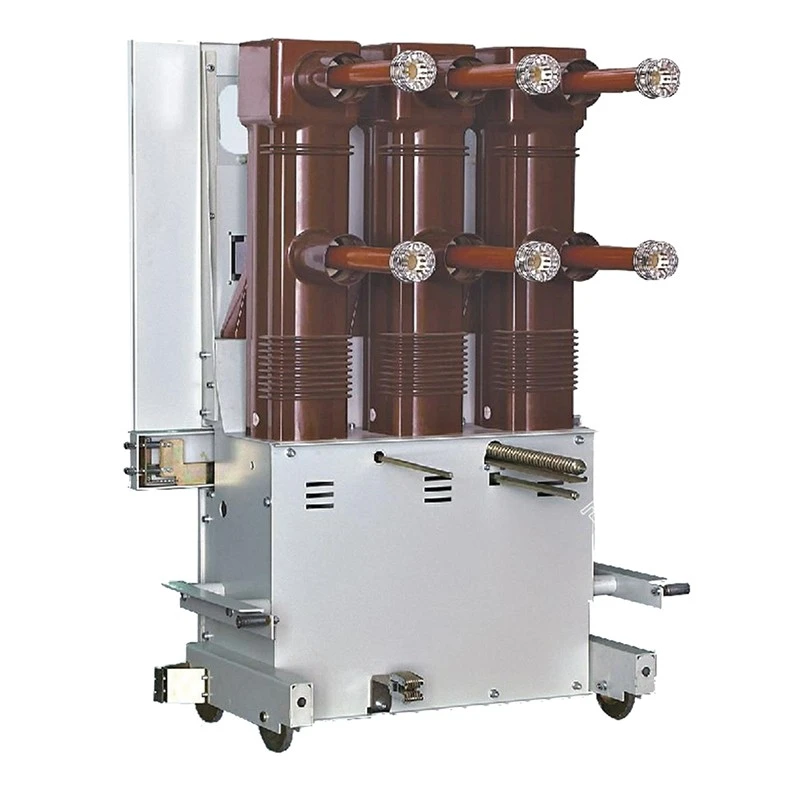
Indoor High Voltage Vacuum Circuit Breaker are commonly used in indoor power installations, such as substations and industrial facilities. These circuit breakers offer similar advantages to their outdoor counterparts, including high reliability and low maintenance. Self-healing indoor high voltage vacuum circuit breakers are designed to operate in harsh indoor environments and can quickly recover from faults, ensuring the continuous operation of the power system.
Contact for Procurement and Consultation
If you are in the market for high-voltage circuit breakers with self-healing ability, I invite you to reach out for a consultation. Our team of experts is dedicated to providing you with the best solutions tailored to your specific needs. Whether you are looking for outdoor or indoor circuit breakers, DC or AC breakers, we have a wide range of products to meet your requirements. Contact us to discuss your project and explore how our high-voltage circuit breakers can enhance the reliability and efficiency of your power system.
References
- Blackburn, J. L. (2014). Protective Relaying: Principles and Applications. CRC Press.
- Grigsby, L. L. (Ed.). (2013). Electric Power Engineering Handbook. CRC Press.
- Kothari, D. P., & Nagrath, I. J. (2010). Modern Power System Analysis. McGraw-Hill Education.